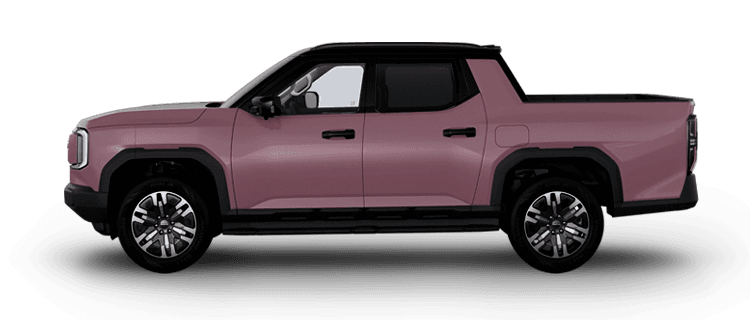
 LHD & RHDElectric
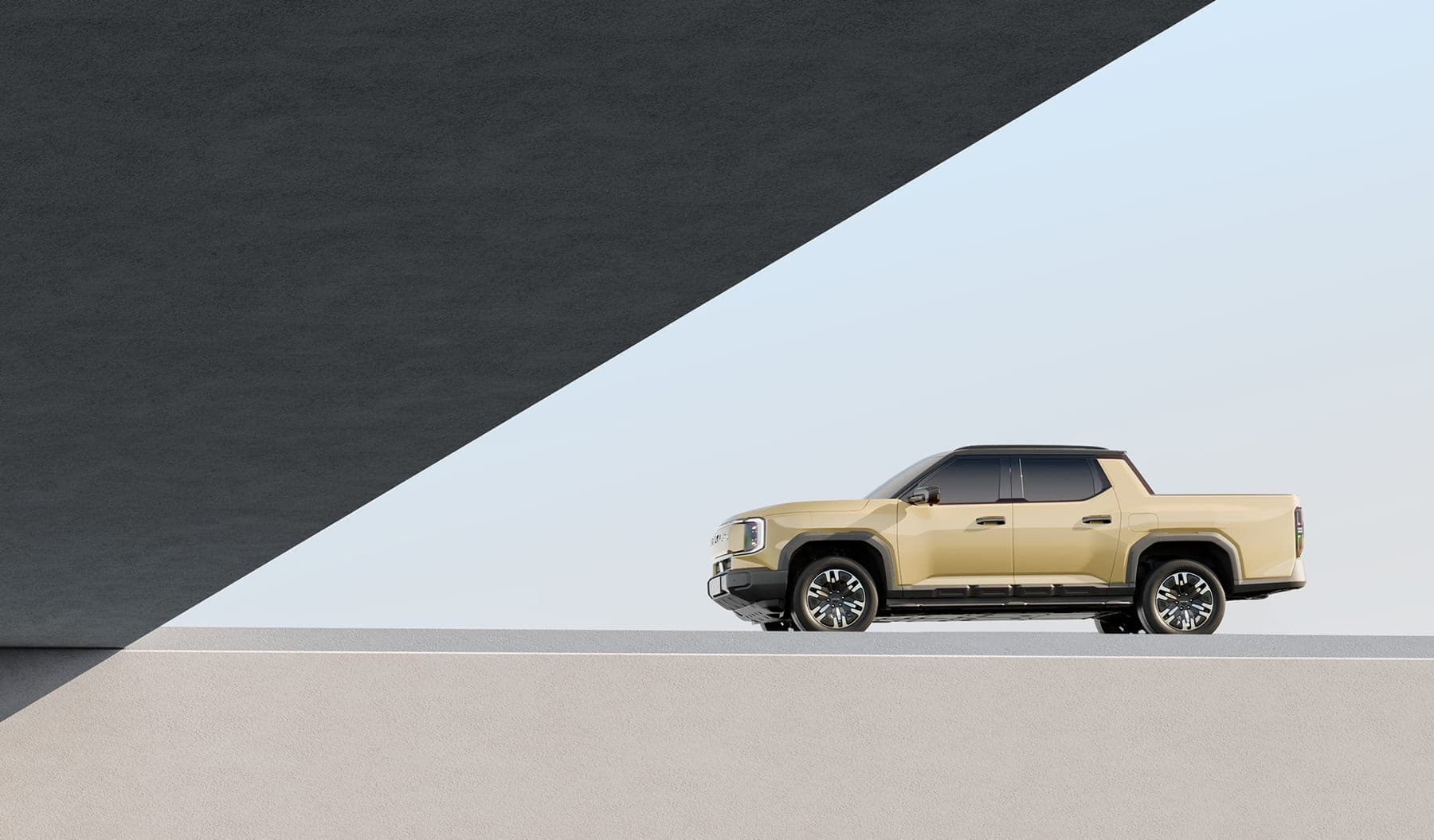
MAXUS eTerron 9 2026
eTerron 9 / Interstellar X EV
325 kW dual-motor electric pickup with air suspension, 430 km WLTP range and a 3.5-tonne braked towing rating.
- Range
- 430 km
- Battery
- 102.2 kWh
- Drive
- 4WD
Factory-direct B2B supply · Beijing & Tianjin, China
We export brand-new MAXUS vehicles worldwide — 17 models across two families and five powertrains, in left-hand drive and factory right-hand drive, from a single unit upward. Full specifications are published on every model page; nothing is hidden behind a form.
17 models
Pickups and commercial vans
12.4 m³
Largest load volume
3,500 kg
Maximum braked towing
25 days
Dispatch from deposit
Brand-new, zero-kilometre MAXUS vehicles, sold wholesale on FOB or CIF terms to importers, dealers and fleet buyers outside China. Seventeen models in two families, all built by SAIC MAXUS Automotive Co., Ltd.: seven double-cab pickup trucks and ten light commercial vehicles, from a 5 m³ compact electric van to a 15-seat minibus.
The diesel range is where most export tenders are still won, for reasons that have nothing to do with the engine: fuel is available everywhere, any competent workshop can service it, and second-hand values are established. The Interstellar X leads it — the only Chinese pickup holding both Euro NCAP and ANCAP five-star ratings, with three locking differentials and a 100% maximum gradient — while the Interstellar L and T60 carry the volume work bodies.
The light commercial range splits the same way. The cargo vans run from the 5 m³ Dana V1 to the 11.4 m³ V80 PRO, with 1.5-tonne payloads on the EV80 PRO and the Super EREV; the passenger vans cover nine to fifteen seats, on rear air suspension where the duty is executive shuttle work rather than freight.
Nine models carry a plug. That includes two electric pickups — the eTerron 9 is the only battery-electric pickup in its class still rated to tow 3,500 kg braked — six electric vans, and the Dana Super EREV, which drives as a pure electric van but carries a generator so the fleet never depends on a charger. Electric makes sense where the vehicle sleeps in the same yard every night, and much less sense where it finishes each day somewhere new.
Six hubs, each cut by the thing buyers actually filter on: body type, powertrain and steering.
Seven pickup models, from the dual five-star Interstellar X flagship to the volume T60.
7 models →
Six panel and cargo bodies, from the 5 m³ Dana V1 to the 11.4 m³ V80 PRO.
9 models →
Five models carry passengers: the electric EV90 and Dana M1, the diesel V90 and V80 PRO, and the Yuanjie diesel plug-in hybrid.
5 models →
Nine models carry a plug: two electric pickups, six battery-electric vans and one range-extender.
9 models →
Eight models run a turbo-diesel: five pickups, two vans and one diesel plug-in hybrid.
8 models →
Eight models are available in factory right-hand drive: four pickups and four vans.
8 models →
The models we quote most often. Every model page carries the full spec table, gallery, homologation notes and an enquiry form.
LHD & RHDElectriceTerron 9 / Interstellar X EV
325 kW dual-motor electric pickup with air suspension, 430 km WLTP range and a 3.5-tonne braked towing rating.
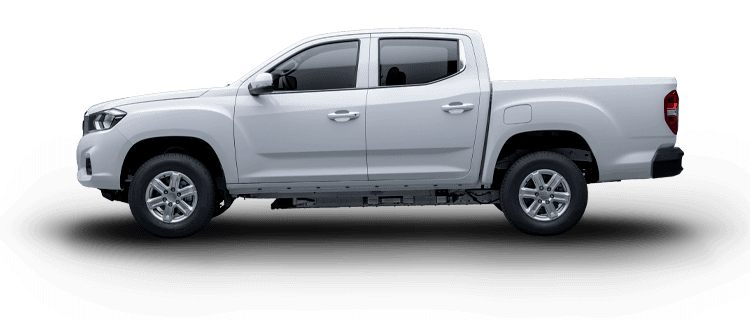 LHD & RHDElectric
T90 EV / Interstellar EV Long Range
A one-tonne payload electric pickup: 88 kWh, 330 km WLTP combined and 471 km on the city cycle.
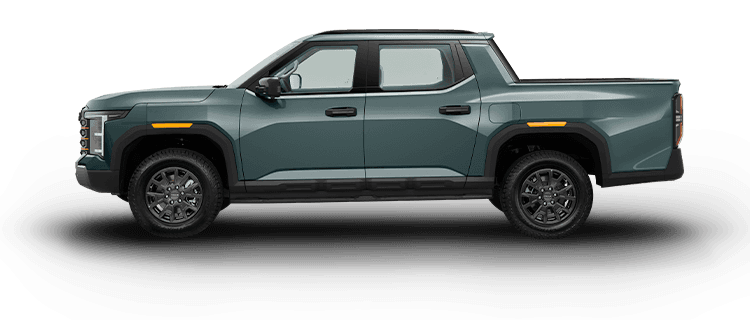 LHDDiesel
Interstellar X 2.5T Diesel
The dual five-star flagship: 2.5T diesel, three locking differentials, 3.5-tonne towing and a 100% maximum gradient.
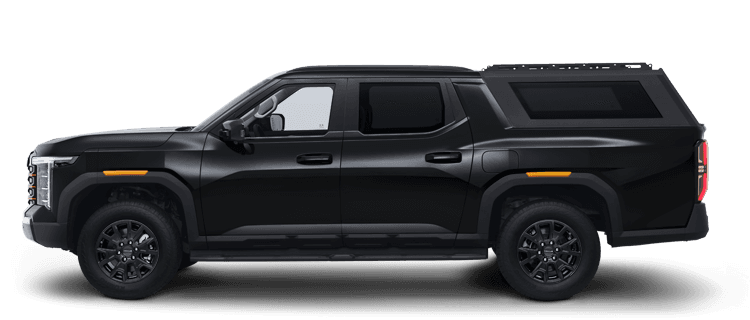 LHDDiesel
Interstellar X True Passenger Edition
Interstellar X with a factory hardtop canopy — a 945 mm enclosed load bay and an SUV cabin on a pickup chassis.
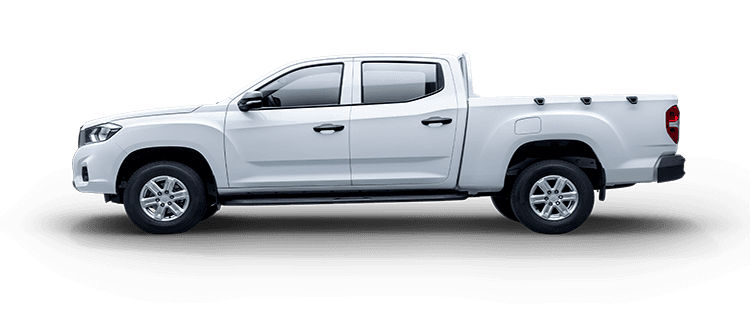 LHD & RHDDiesel & Petrol
T60 Petrol & Diesel
The volume export pickup: petrol or diesel, 2WD or 4WD, short or long bed — eight configurations on one platform.
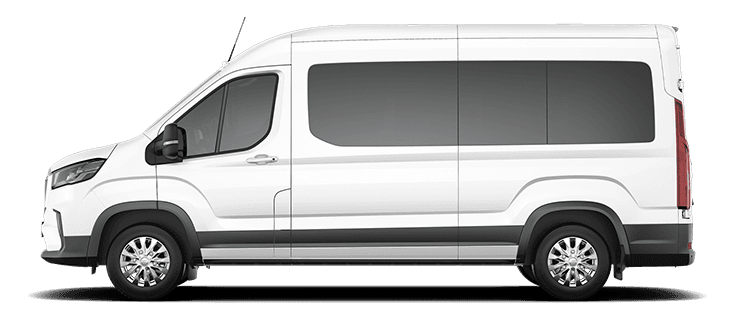 LHD & RHDElectric
EV90 / eDeliver 9 Electric Van
The flagship electric large van: 465 km CLTC, up to 12.4 m³, and 9 to 15 seats on rear air suspension.
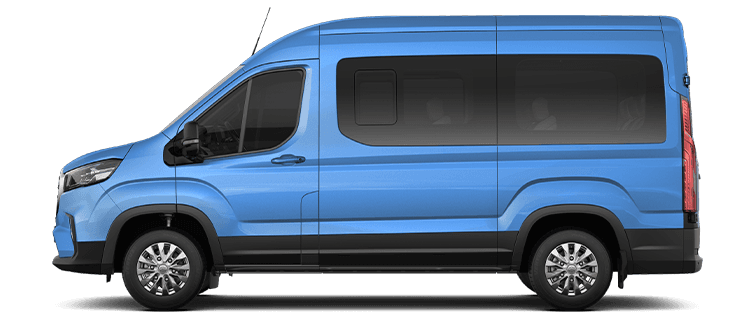 LHD & RHDDiesel
V90 / Deliver 9 Diesel Van
The diesel counterpart to the EV90: ZF 8-speed, 420 Nm, rear air suspension and a 47 dB cabin.
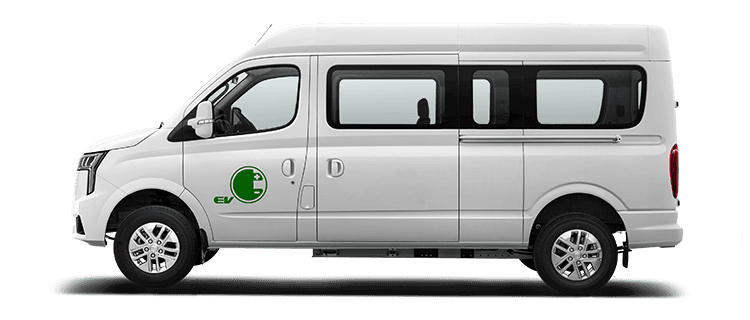 LHD & RHDElectric
EV80 PRO Electric Panel Van
1.5-tonne payload electric panel van: 77 kWh LFP, 11 m³, and charging down to −30 °C.
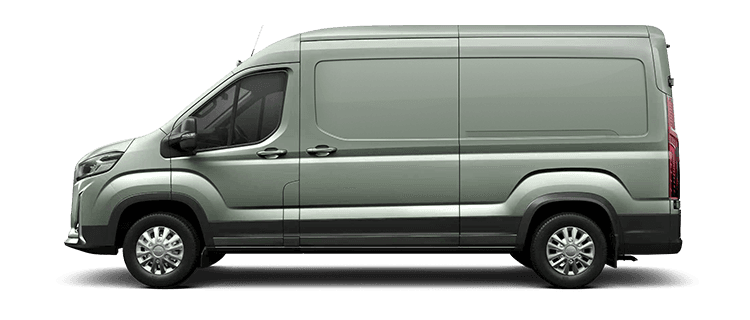 LHDDiesel Plug-in Hybrid (PHEV)
Yuanjie DM-D Diesel Hybrid
The first diesel plug-in hybrid large van: 280 kW, 798 Nm and 1,100 km of combined range.
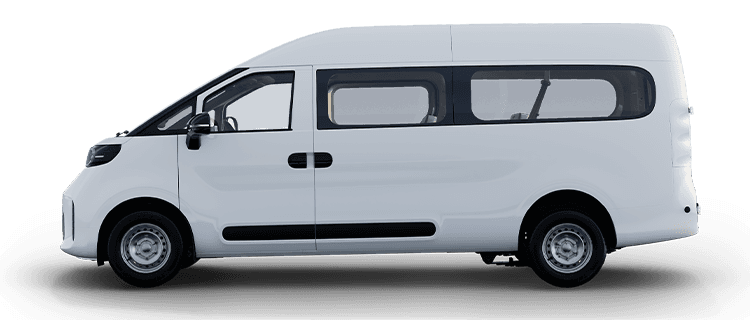 LHDRange-Extender Electric (EREV)
Dana Super Range-Extender
Electric drive with no charging dependency: 312 km on battery, 1,260 km CLTC combined, 1.5-tonne payload.
Two questions decide most enquiries before the spec sheets come out. Does the load ride on an open bed or does it need to be enclosed? And does the vehicle sleep in the same yard every night, or somewhere new?
| Interstellar X (diesel pickup) | EV90 (electric van) | |
|---|---|---|
| Body | Double-cab pickup, open bed | Panel van or 9–15 seat minibus |
| Powertrain | SAIC πPlus 2.5T turbo-diesel | Battery electric |
| Maximum power | 165 kW | 150 kW rated / 170 kW peak |
| Maximum torque | 520 Nm | 330 Nm |
| Drive | Super-select 4WD, three locks | RWD, six-in-one e-drive |
| Range | Refuel anywhere | 465 km CLTC, depot charging |
| Load | 1,561 × 1,610 × 535 mm bed | 11–12.4 m³ enclosed |
| Braked towing | 3,500 kg | Not rated for towing |
| Steering | LHD | LHD & factory RHD |
Payload is a mass budget, and the flagship vehicles spend theirs on capability. The eTerron 9 carries a 102.2 kWh traction battery; the Interstellar X carries a super-select transfer case and three locking differentials. The models that carry the most — the EV80 PRO and Dana Super EREV vans at 1,500 kg, the T90 EV pickup at 1,000 kg, and the long-bed Interstellar L and T60 — get there by leaving that hardware out. If the job is carrying mass rather than towing it or climbing with it, start with the work bodies.
Read the cycle before you compare the numbers. The two electric pickups carry WLTP figures, because SAIC MAXUS publishes export sheets for them; the electric vans are quoted on CLTC or C-WTVC, the Chinese cycles, which run 20–35% higher for the same vehicle. Plan real-world duty at 75–85% of a WLTP figure in temperate conditions, and less again in sustained heat above 40°C or cold below −10°C. Every page here names the cycle for exactly this reason. Full comparison of the two electric trucks →
Six regions, each with its own steering convention, conformity certificate and freight routing. Pick yours for the homologation detail that applies.
Mixed
Kenya, Tanzania, Uganda, Nigeria, Ghana, Ethiopia +6 more
Mixed
Thailand, Indonesia, Vietnam, Philippines, Malaysia, Cambodia +4 more
Left-hand drive throughout
United Arab Emirates, Saudi Arabia, Qatar, Kuwait, Oman, Bahrain +4 more
Left-hand drive throughout
Kazakhstan, Uzbekistan, Kyrgyzstan, Tajikistan, Turkmenistan, Azerbaijan +3 more
Left-hand drive throughout
Chile, Peru, Colombia, Ecuador, Mexico, Uruguay +6 more
Mixed
Jamaica, Trinidad & Tobago, Barbados, Dominican Republic, Curaçao, Guyana +5 more
Four stages, 25 to 55 days from deposit to loading depending on steering. Sea transit is additional and quoted per destination.
You send the model, steering, destination port and quantity. We return a proforma invoice with FOB and CIF options priced side by side, plus the current build slot date.
A 30% telegraphic transfer confirms the order and secures a production slot. Right-hand-drive orders are allocated against the next scheduled RHD batch.
The vehicles are built to order at 0 km. SGS or your own nominated inspector attends pre-shipment on request, and destination conformity inspection — KEBS PVoC, SONCAP, TBS, GSO — is arranged in parallel.
Ro-Ro or 40HQ container, your choice. The 70% balance is due against the copy bill of lading, and originals release with the certificate of origin and manufacturer's certificate of conformity.
The four we are asked on nearly every enquiry. Another ten are answered on the FAQ page.
One unit. We quote single-vehicle orders for island and trial-fleet buyers, and there is no minimum order quantity for a first purchase. Volume pricing tiers begin at 5 units, improve again at 10 and 20, and SKD assembly becomes economic from roughly 20 units depending on the destination's duty structure.
Eight: the V80 PRO, V90, EV80 PRO and EV90 vans, and the T60, Interstellar L, eTerron 9 and T90 EV pickups. All four are built right-hand drive on the SAIC MAXUS production line — none is a converted left-hand-drive vehicle, which matters because converted units routinely fail pre-export conformity inspection in Kenya, Tanzania and Australia. The newer models — Interstellar X and its Passenger Edition, the Dana family, the Yuanjie hybrid and the Lingsheng V100 — are left-hand drive at launch; ask before quoting any of them into an RHD market.
25–35 days from confirmed deposit for left-hand-drive stock colours, and 35–55 days for right-hand drive on the models where RHD is batch-allocated. The T60 and Interstellar L run RHD as a standing production configuration, so they match the LHD lead time. Sea transit is additional: roughly 28–35 days to Mombasa, 18–24 days to Jebel Ali, 7–10 days to Laem Chabang and 30–38 days to Callao.
30% telegraphic transfer deposit on order confirmation, 70% balance against the copy bill of lading before release of original documents. Irrevocable letters of credit at sight are accepted for orders above 10 units through a first-class bank. We do not ship on open account or against a documents-against-acceptance arrangement.
Practical notes on importing pickup trucks — homologation, Incoterms, shipping modes and fleet economics.
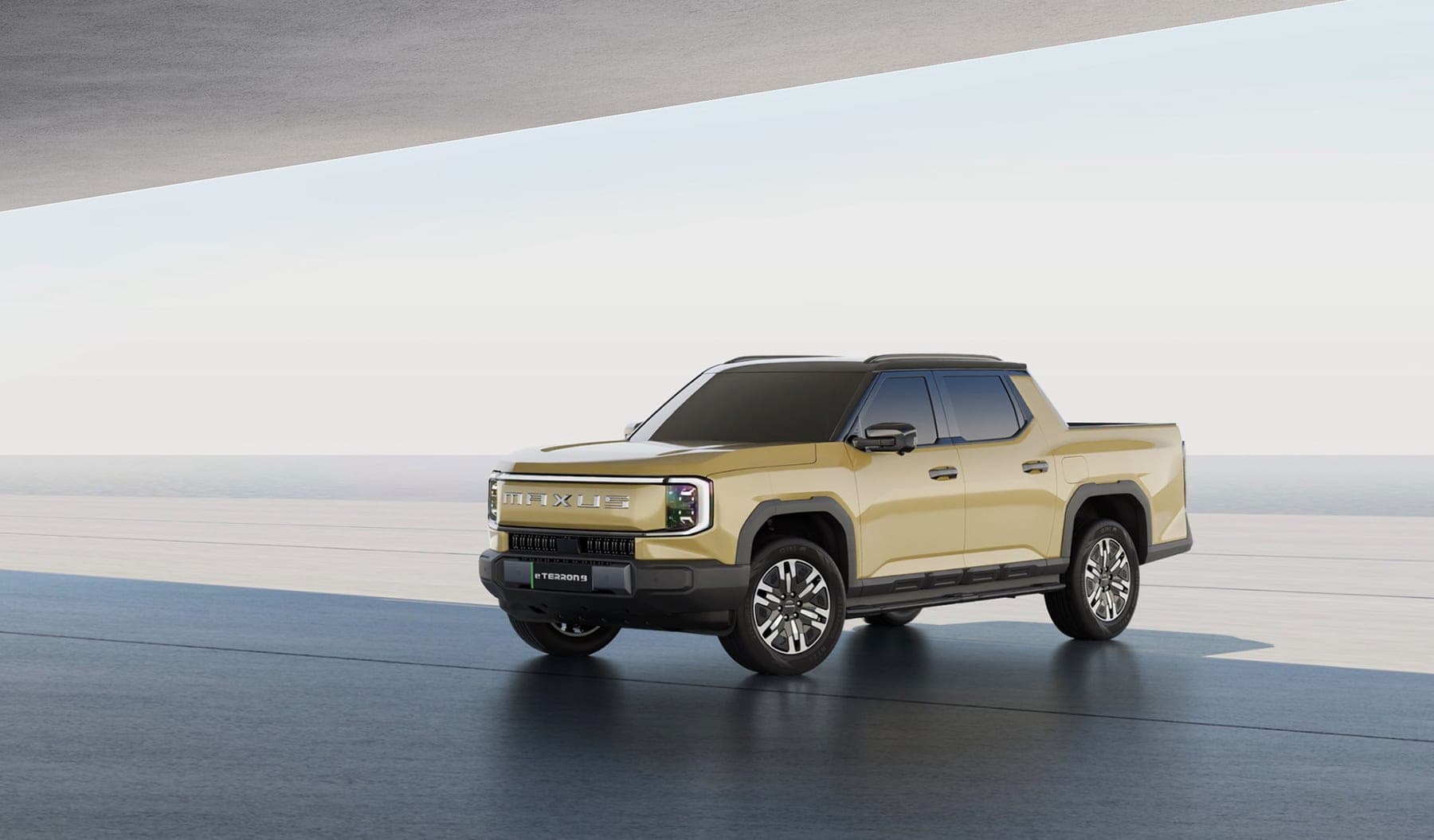
Specify the T90 EV if the vehicle carries mass on a fixed route and returns to a depot nightly; specify the eTerron 9 if it tows, climbs or covers long rural distances.
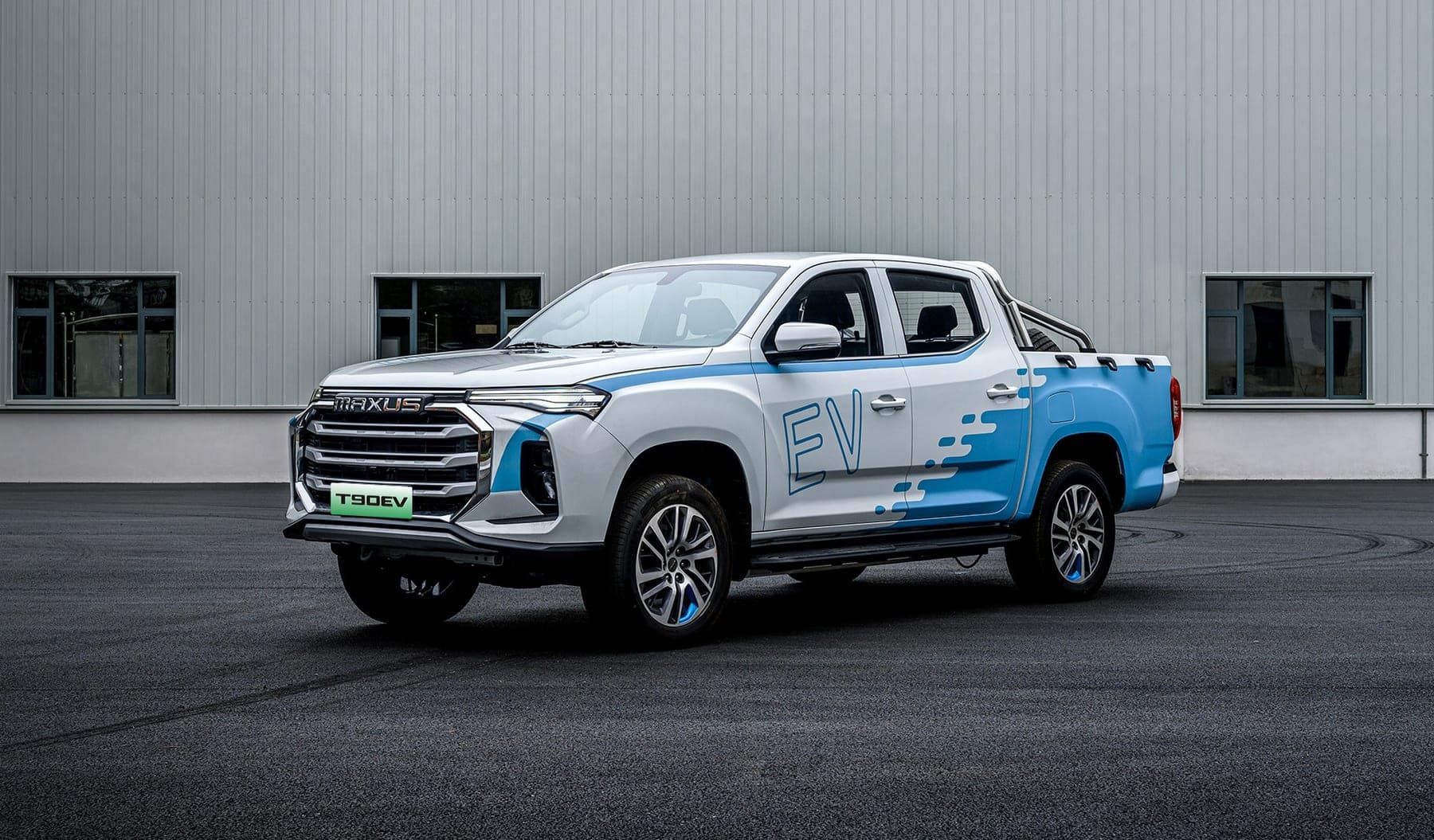
Kenya requires a KEBS Pre-Export Verification of Conformity certificate issued in China before the vehicle is loaded, right-hand drive, and a vehicle under eight years old.
Ask for FOB when you have a freight forwarder you trust and volume to negotiate with; ask for CIF when you are buying one or two units, or shipping to a port where you have no agent.
Send the model, destination port and quantity. A proforma invoice with FOB and CIF options follows within one business day.