Kenya requires three things of an imported pickup: a KEBS Pre-Export Verification of Conformity certificate issued before loading, right-hand drive, and a vehicle less than eight years old. A brand-new factory RHD electric pickup satisfies the age rule and the steering rule on the day it leaves the line, which leaves the PVoC as the only real procedural risk — and it is the one importers most often discover too late, because it cannot be obtained retroactively once the vehicle has sailed.
What does Kenya require before the vehicle ships?
The Kenya Bureau of Standards operates a Pre-Export Verification of Conformity programme through appointed inspection agencies in the country of export. The inspection happens in China, against the vehicle and its documentation, and produces a Certificate of Conformity that Kenya Revenue Authority requires at clearance. Without it the consignment is either refused entry or released only after a destination inspection at substantially higher cost and delay.
- Confirm the specification and destination on the proforma invoice — PVoC is issued against a specific VIN and consignee.
- Request the inspection booking once the vehicle is allocated a VIN, typically 7–10 days before loading.
- The appointed agency inspects the vehicle and reviews the manufacturer's conformity documentation in China.
- The Certificate of Conformity is issued and travels with the shipping documents.
- Clearing agent presents the CoC with the bill of lading, commercial invoice and certificate of origin at Mombasa.
Does the eight-year age limit affect new electric vehicles?
No. Kenya's rule restricts imports to vehicles first registered within the preceding eight years, which a 0 km factory unit clears by definition. The rule exists to filter the used-import trade that dominates Kenyan vehicle supply, and it is an advantage for new-vehicle importers: it removes the cheapest competition from the segment entirely.
Which specifications can be registered in Kenya?
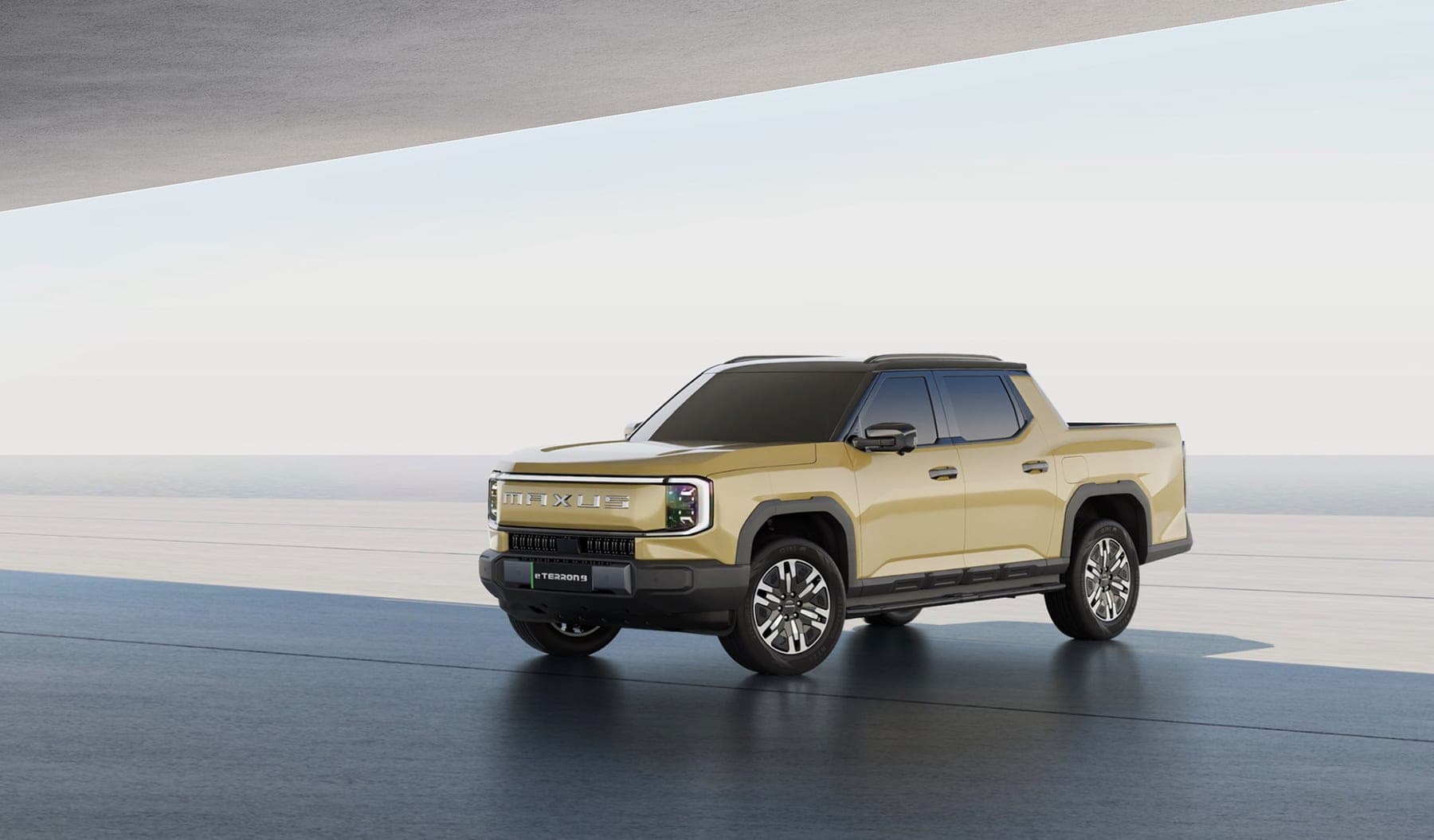
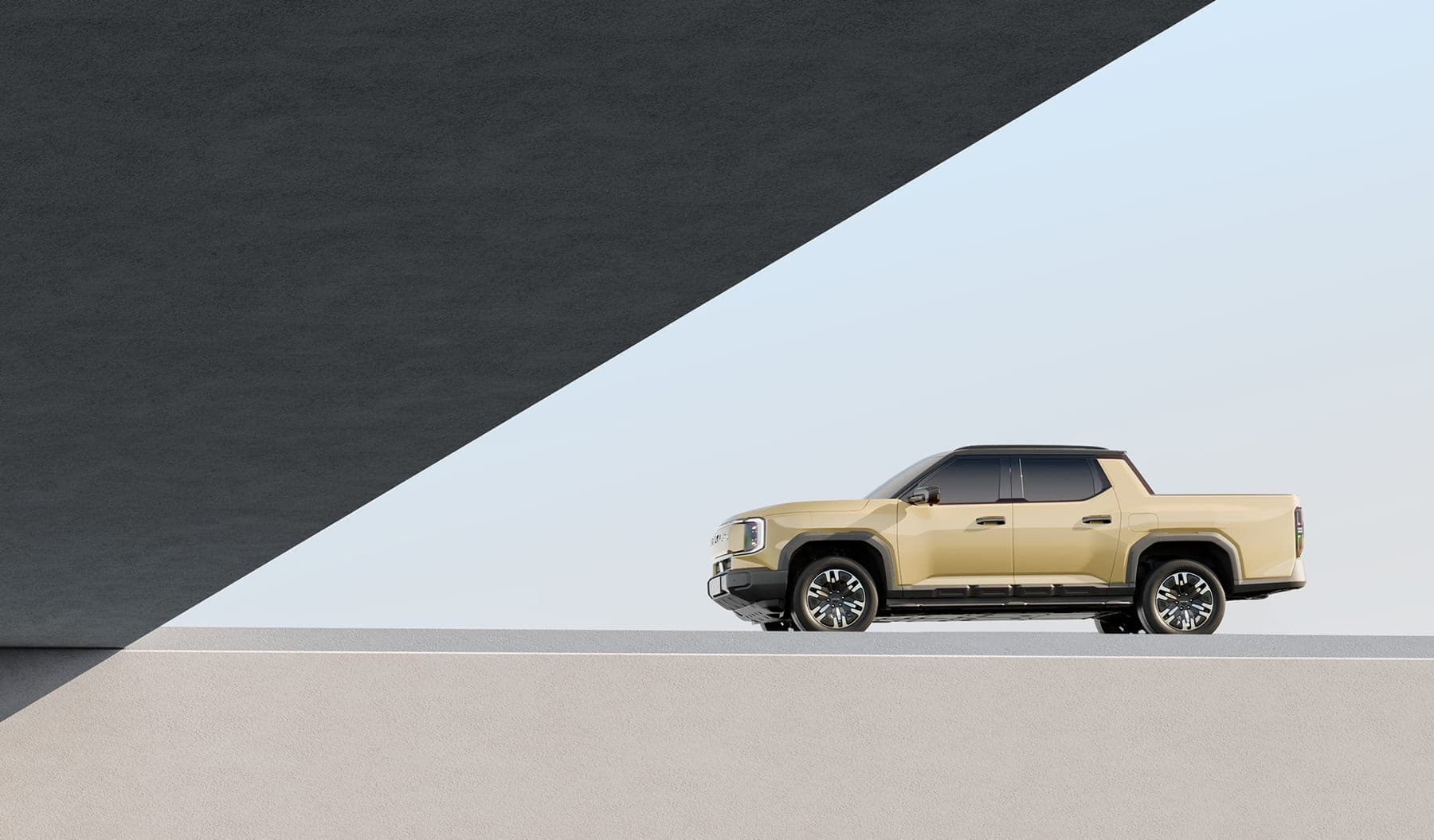
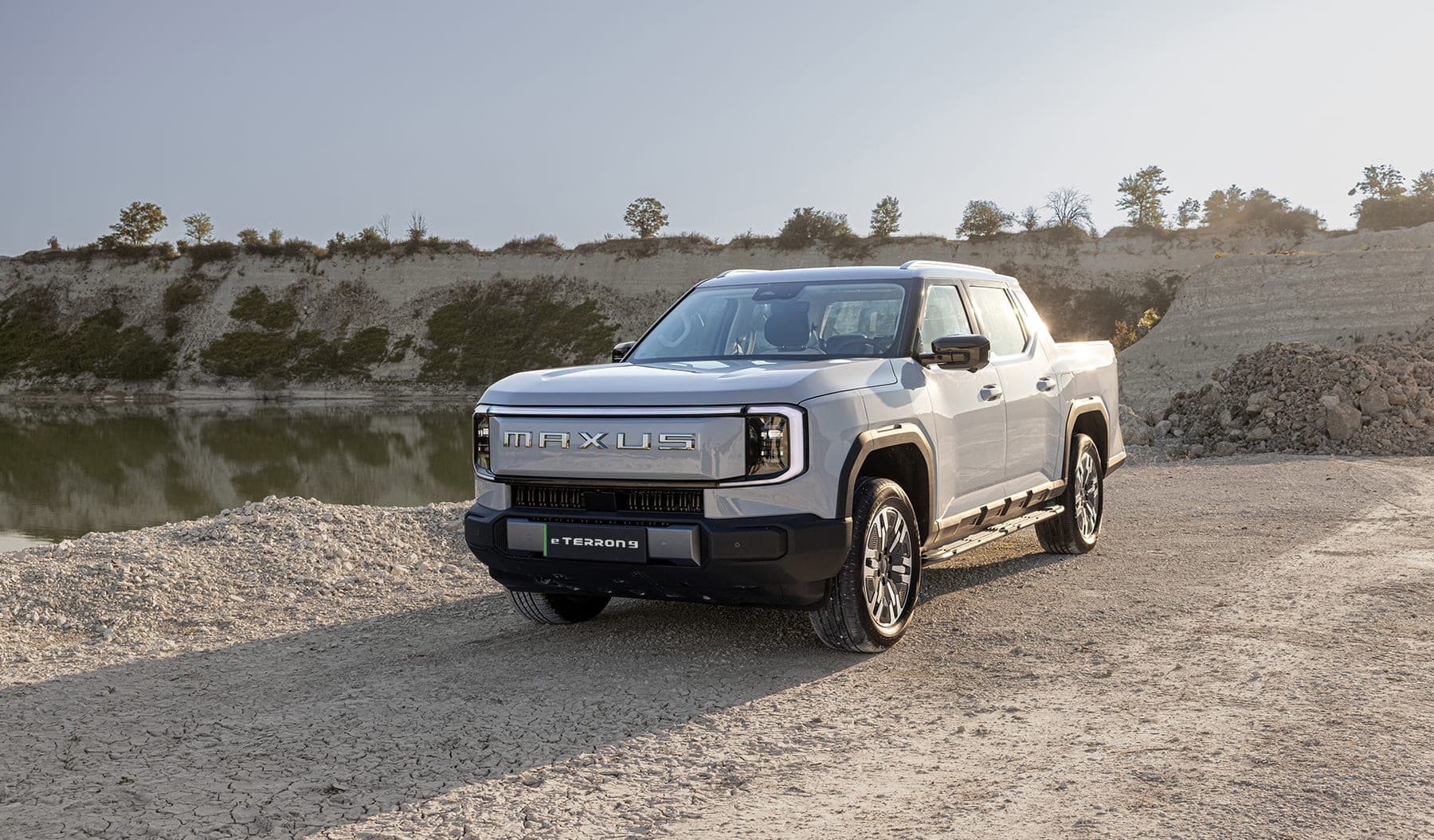
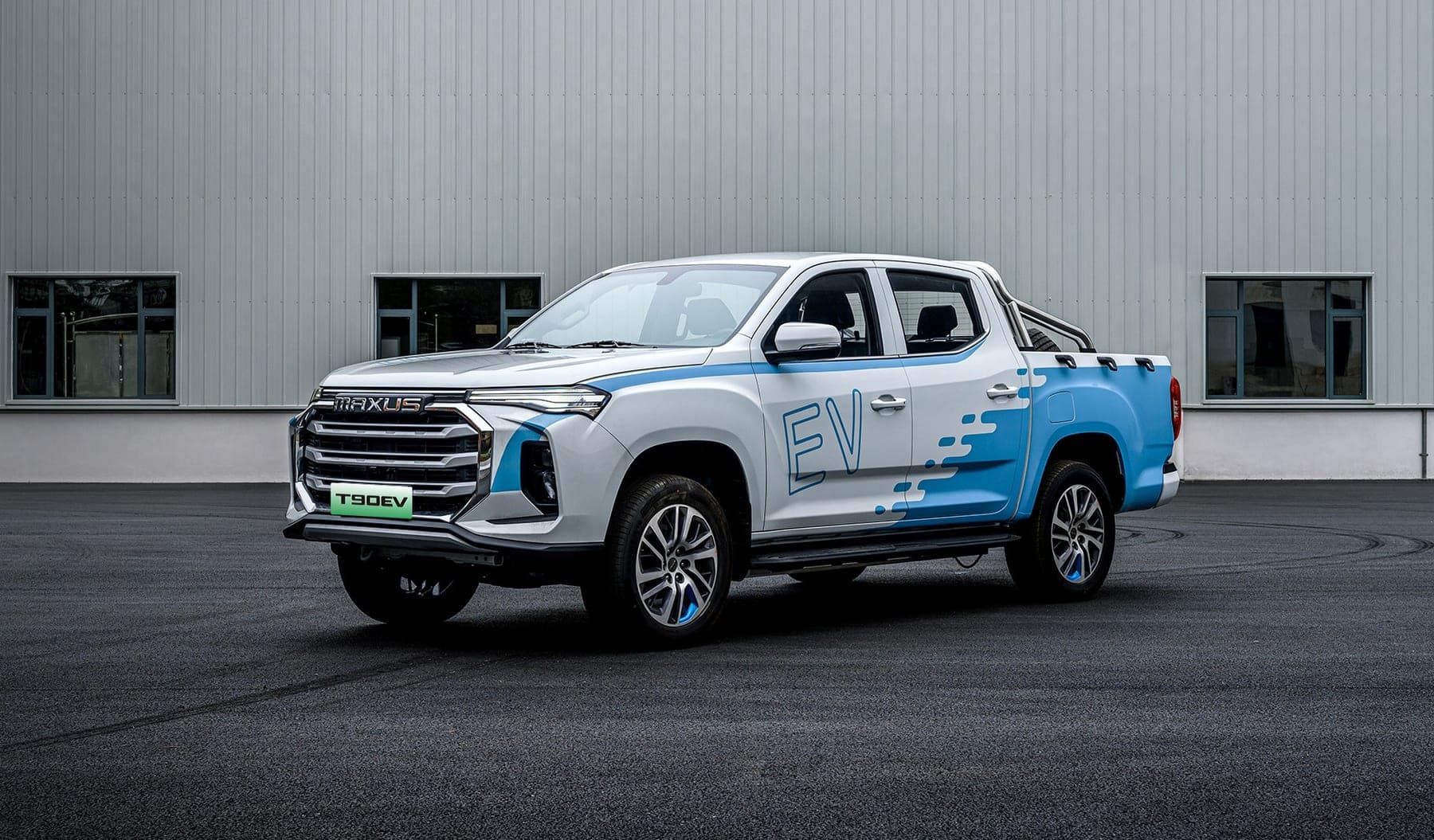
Kenya is right-hand drive, so only the factory RHD specifications qualify: the T60, Interstellar L, eTerron 9 and T90 EV. Left-hand-drive vehicles cannot be registered for road use, and conversion after arrival is neither economic nor reliably approved.
The distinction between factory RHD and converted RHD matters at inspection. A converted vehicle's steering geometry, airbag calibration and wiring loom no longer match its type-approval file, and inspectors are trained to look for exactly that mismatch. A factory-built RHD unit carries one consistent documentation set from the VIN plate onward.
How is duty calculated on an electric vehicle in Kenya?
Duty is assessed on customs value plus freight and insurance, with import duty, excise and VAT applied in sequence and railway development levy and import declaration fee on top. Kenya has applied reduced excise treatment to fully electric vehicles at various points, but the rate has moved more than once in recent budget cycles.
Treat any published EV duty figure as indicative and confirm the current position with your clearing agent before you commit to an order. We quote FOB Shanghai and CIF Mombasa; we do not quote landed cost, because a rate change between order and arrival would make that number wrong.
How long does the whole process take?
| Stage | Elapsed time |
|---|---|
| Deposit to RHD build slot allocation | 5–15 days |
| Production and pre-delivery inspection | 25–35 days |
| KEBS PVoC inspection and certificate | 7–10 days (parallel) |
| Ro-Ro sea transit, Shanghai to Mombasa | 28–35 days |
| Port clearance at Mombasa | 5–12 days |
| Road transit Mombasa to Nairobi | 1–2 days |
Budget 70 to 95 days from deposit to a vehicle on the road in Nairobi. The variable that moves most is RHD build slot allocation, because SAIC MAXUS batches right-hand-drive production rather than running it continuously.
Will the charging work outside Nairobi?
For depot-based fleets, yes, without any public infrastructure. Both platforms charge fully overnight from an 11 kW three-phase supply, which most Kenyan commercial and industrial premises already have. The T90 EV's 471 km WLTP city figure covers a full working shift with margin. Public DC charging only becomes relevant for genuine long-distance intercity duty, and that is a smaller share of pickup mileage than most first-time EV fleet buyers expect.