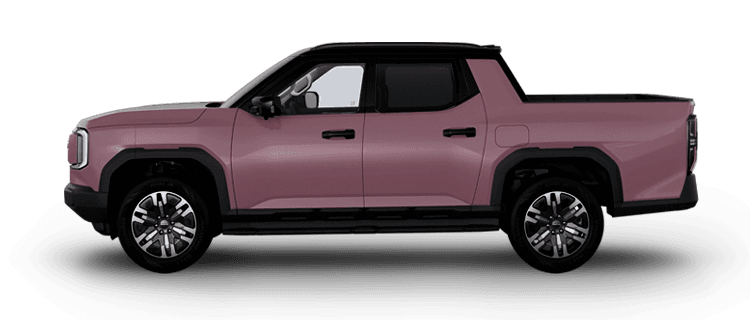
 LHD & RHDElectric
MAXUS eTerron 9 2026
eTerron 9 / Interstellar X EV
325 kW dual-motor electric pickup with air suspension, 430 km WLTP range and a 3.5-tonne braked towing rating.
- Range
- 430 km
- Battery
- 102.2 kWh
- Drive
- 4WD
8 factory RHD models
Eight MAXUS models — four pickups and four light commercial vehicles — are built right-hand drive on the SAIC MAXUS production line. None is a converted left-hand-drive vehicle, and that distinction is what an East African or Australasian pre-export inspection is looking for.
Eight models, built right-hand drive on the production line. The vans, the T60 and the Interstellar L run RHD as a standing configuration; the two electric pickups allocate it in batches, which adds 10 to 20 days.
LHD & RHDElectriceTerron 9 / Interstellar X EV
325 kW dual-motor electric pickup with air suspension, 430 km WLTP range and a 3.5-tonne braked towing rating.
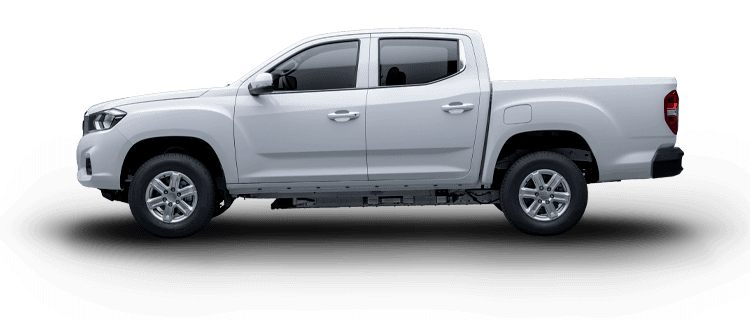 LHD & RHDElectric
T90 EV / Interstellar EV Long Range
A one-tonne payload electric pickup: 88 kWh, 330 km WLTP combined and 471 km on the city cycle.
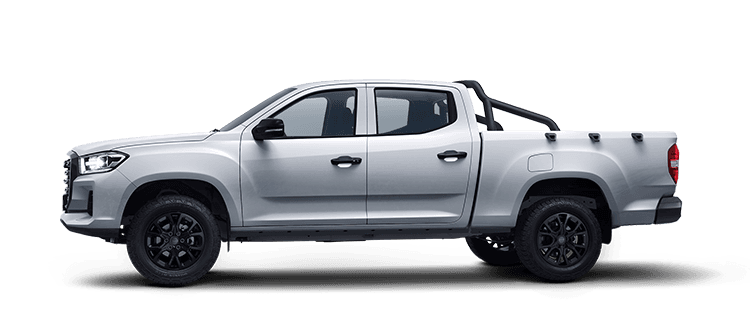 LHD & RHDDiesel
Interstellar L 2.0T Diesel
Long-bed 2.0T diesel with 230 mm of ground clearance, a 1.44 m³ flat load bay and a body-colour chassis frame.
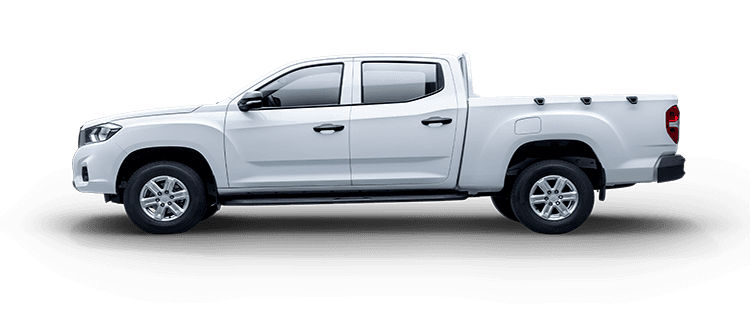 LHD & RHDDiesel & Petrol
T60 Petrol & Diesel
The volume export pickup: petrol or diesel, 2WD or 4WD, short or long bed — eight configurations on one platform.
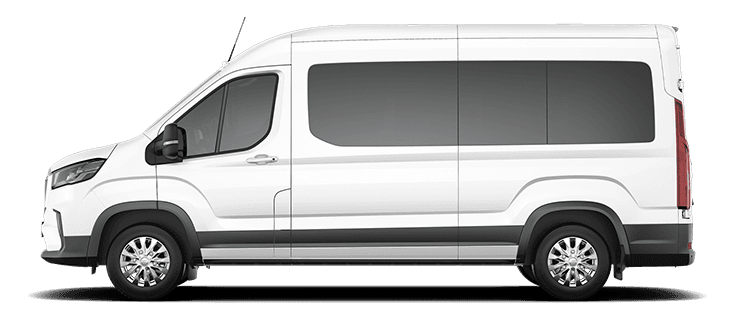 LHD & RHDElectric
EV90 / eDeliver 9 Electric Van
The flagship electric large van: 465 km CLTC, up to 12.4 m³, and 9 to 15 seats on rear air suspension.
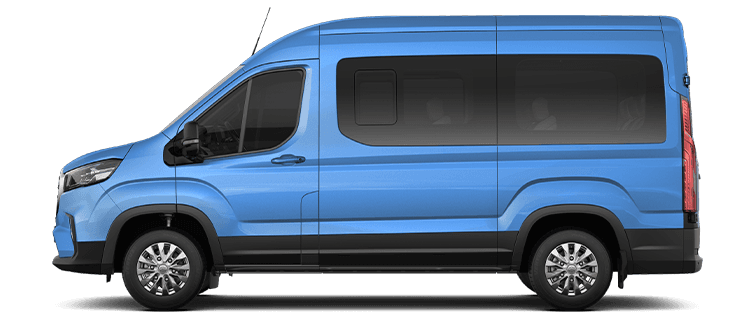 LHD & RHDDiesel
V90 / Deliver 9 Diesel Van
The diesel counterpart to the EV90: ZF 8-speed, 420 Nm, rear air suspension and a 47 dB cabin.
 LHD & RHDElectric
EV80 PRO Electric Panel Van
1.5-tonne payload electric panel van: 77 kWh LFP, 11 m³, and charging down to −30 °C.
 LHD & RHDDiesel
V80 PRO Diesel Van
Four wheelbases, four roof heights and over fifty seat layouts — the most configurable van in the range.
Because a converted vehicle no longer matches its own paperwork. Once the steering has been moved, the steering geometry, airbag deployment calibration and wiring loom diverge from the type-approval file that the manufacturer's certificate of conformity refers to. Inspectors in Kenya, Tanzania and Australia are trained to find exactly that mismatch, and converted units fail routinely.
A factory-built RHD vehicle carries one consistent documentation set from the VIN plate through to the certificate of conformity. It presents to an inspector as what it is: a standard production unit.
The steering rack, column, dashboard moulding, pedal box, wiring loom and instrument cluster, fitted on the line. The traction battery, motors, chassis and suspension are unchanged. That is what makes RHD electric pickups straightforward compared with RHD diesel conversions — there is no engine ancillary layout, no exhaust routing and no brake servo to relocate around a repositioned steering box.
SAIC MAXUS allocates right-hand-drive production in batches rather than running it continuously, because RHD volume does not justify a permanent line changeover. An order placed against a confirmed batch ships on the normal 25–35 day cycle. An order that misses a batch waits for the next one, which is why we quote 40–55 days for eTerron 9 RHD and 35–50 days for T90 EV RHD — and why we state the current batch date on every proforma invoice instead of a generic lead time.
| Market | Requirement | Note |
|---|---|---|
| Kenya | KEBS PVoC certificate before loading | Eight-year age limit — a 0 km unit clears it automatically |
| Tanzania | TBS pre-export verification | Dar es Salaam is also the transit port for Zambia and Malawi |
| Uganda | UNBS PVoC | Landlocked — routes through Mombasa or Dar es Salaam |
| Zambia | ZABS / ZCSA conformity assessment | Mining and agricultural fleet demand |
| Australia | ADR compliance, Road Vehicle Type Approval entry | Manufacturer-level approval, not per consignment |
| New Zealand | Entry certification against approved standards | Materially simpler than the Australian route |
| Jamaica, Trinidad, Barbados, Guyana | National import approval | Small-lot orders — we quote from one unit |
| Fiji, Papua New Guinea, Solomon Islands | National import approval | Container shipping recommended over Ro-Ro |
Region-specific homologation notes are on the Africa, ASEAN and Caribbean and Pacific market pages. Longer piece on East African RHD homologation →
RHD build slots are allocated in batches. Tell us the specification and quantity and we will confirm which batch your order lands in before you commit to a delivery promise downstream.