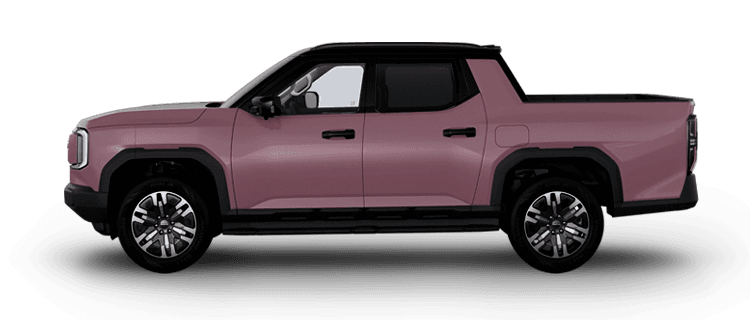
 LHD & RHDElectric
MAXUS eTerron 9 2026
eTerron 9 / Interstellar X EV
325 kW dual-motor electric pickup with air suspension, 430 km WLTP range and a 3.5-tonne braked towing rating.
- Range
- 430 km
- Battery
- 102.2 kWh
- Drive
- 4WD
RHD · ASEAN & Southeast Asia
Thailand is right-hand drive and requires TISI certification before registration. It is also the hardest ASEAN market to enter on landed price alone, because Thailand builds one-tonne pickups domestically at scale — the opening is in electric fleet mandates and in specifications the local plants do not build, not in undercutting a locally made Hilux.
Thailand has operated electric vehicle incentive packages (the EV3.0 and EV3.5 schemes) offering duty reduction and subsidy in exchange for local production commitments, which are aimed at manufacturers rather than independent importers. Standard CBU duty for an importer outside those schemes is high — model it carefully before committing.
We quote FOB China and CIF Thailand only — never landed cost, because a duty change between order and arrival would make that number wrong. Confirm the current rate with your clearing agent before committing to an order.
Industrial estate and logistics fleets in the Eastern Economic Corridor, agricultural estates, and corporate fleets responding to Thailand's national EV policy. Thai buyers are the most pickup-literate in the world and will compare specification lines closely — publish the numbers and expect them to be checked.
Thailand is right-hand drive, so the 8 models below are the eligible ones. Ordering the wrong steering is the single most expensive mistake in vehicle importing — the unit cannot be registered and cannot economically be returned.
LHD & RHDElectriceTerron 9 / Interstellar X EV
325 kW dual-motor electric pickup with air suspension, 430 km WLTP range and a 3.5-tonne braked towing rating.
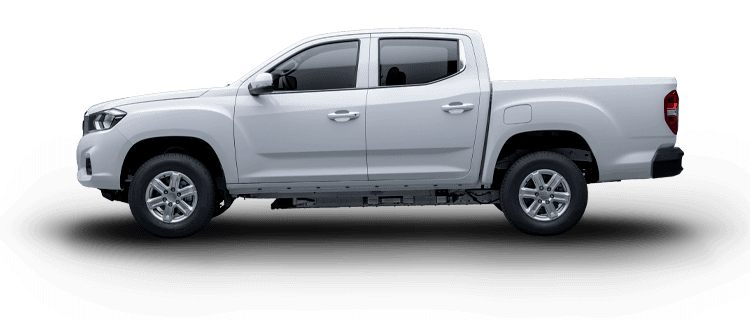 LHD & RHDElectric
T90 EV / Interstellar EV Long Range
A one-tonne payload electric pickup: 88 kWh, 330 km WLTP combined and 471 km on the city cycle.
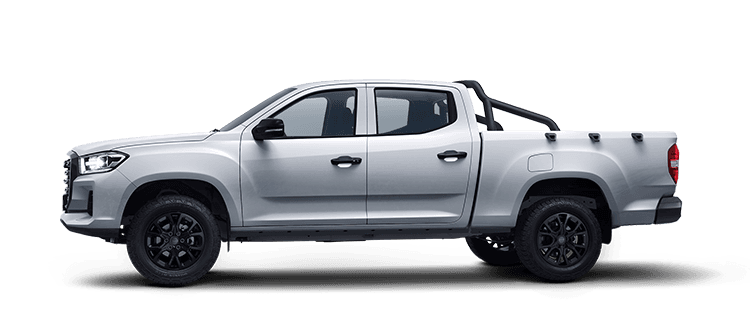 LHD & RHDDiesel
Interstellar L 2.0T Diesel
Long-bed 2.0T diesel with 230 mm of ground clearance, a 1.44 m³ flat load bay and a body-colour chassis frame.
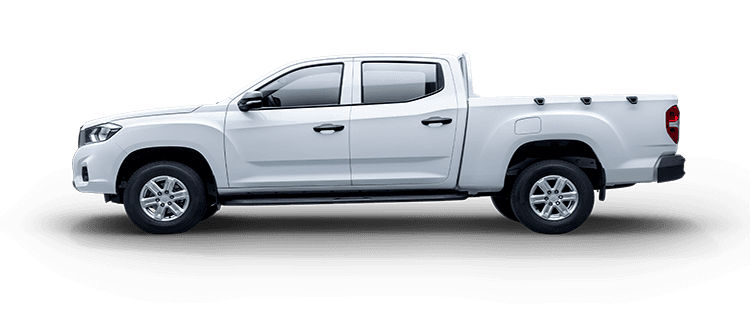 LHD & RHDDiesel & Petrol
T60 Petrol & Diesel
The volume export pickup: petrol or diesel, 2WD or 4WD, short or long bed — eight configurations on one platform.
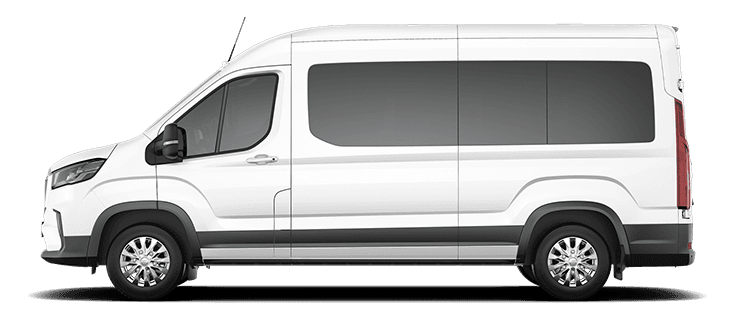 LHD & RHDElectric
EV90 / eDeliver 9 Electric Van
The flagship electric large van: 465 km CLTC, up to 12.4 m³, and 9 to 15 seats on rear air suspension.
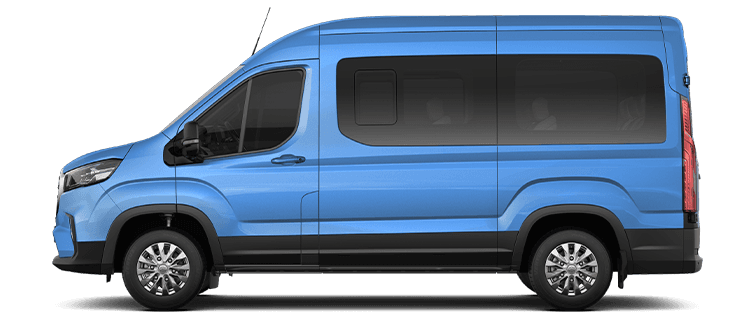 LHD & RHDDiesel
V90 / Deliver 9 Diesel Van
The diesel counterpart to the EV90: ZF 8-speed, 420 Nm, rear air suspension and a 47 dB cabin.
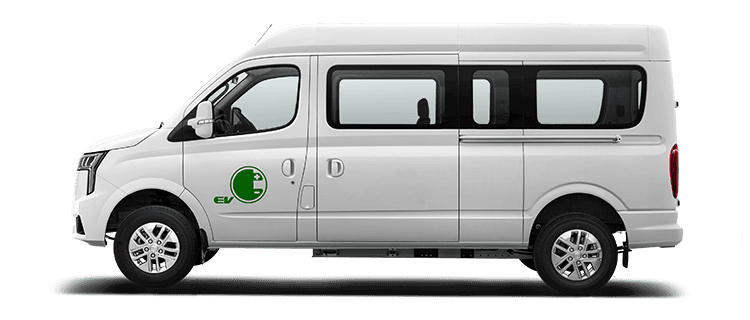 LHD & RHDElectric
EV80 PRO Electric Panel Van
1.5-tonne payload electric panel van: 77 kWh LFP, 11 m³, and charging down to −30 °C.
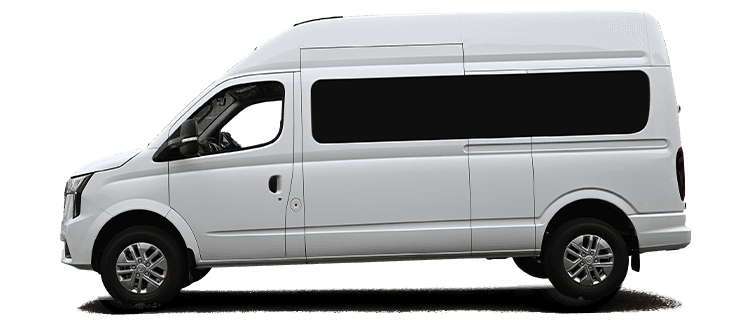 LHD & RHDDiesel
V80 PRO Diesel Van
Four wheelbases, four roof heights and over fifty seat layouts — the most configurable van in the range.
On specification, not on price against a locally built diesel. The realistic openings are fleet electrification requirements, duty cycles the local plants do not serve, and buyers who want a 4WD electric pickup with 3,500 kg towing — which no Thai-built one-tonne currently offers. Treat CBU duty as the base case and check whether any current incentive scheme applies to your structure.
The four factory right-hand-drive models: the T60, Interstellar L, eTerron 9 and T90 EV. Thailand drives on the left.
It is among the best in ASEAN, with substantial public DC coverage on the main intercity corridors. For depot fleets that is a convenience rather than a requirement — 11 kW three-phase overnight charging covers both platforms — but it does remove the range objection on long-distance duty cycles that would still be a real constraint elsewhere in the region.
General export FAQ — MOQ, payment terms, warranty, shipping →
Send the destination port, quantity and specification. We return a proforma invoice with FOB and CIF priced side by side, plus the TISI certification and Department of Land Transport registration compliance your customs authority will ask for.