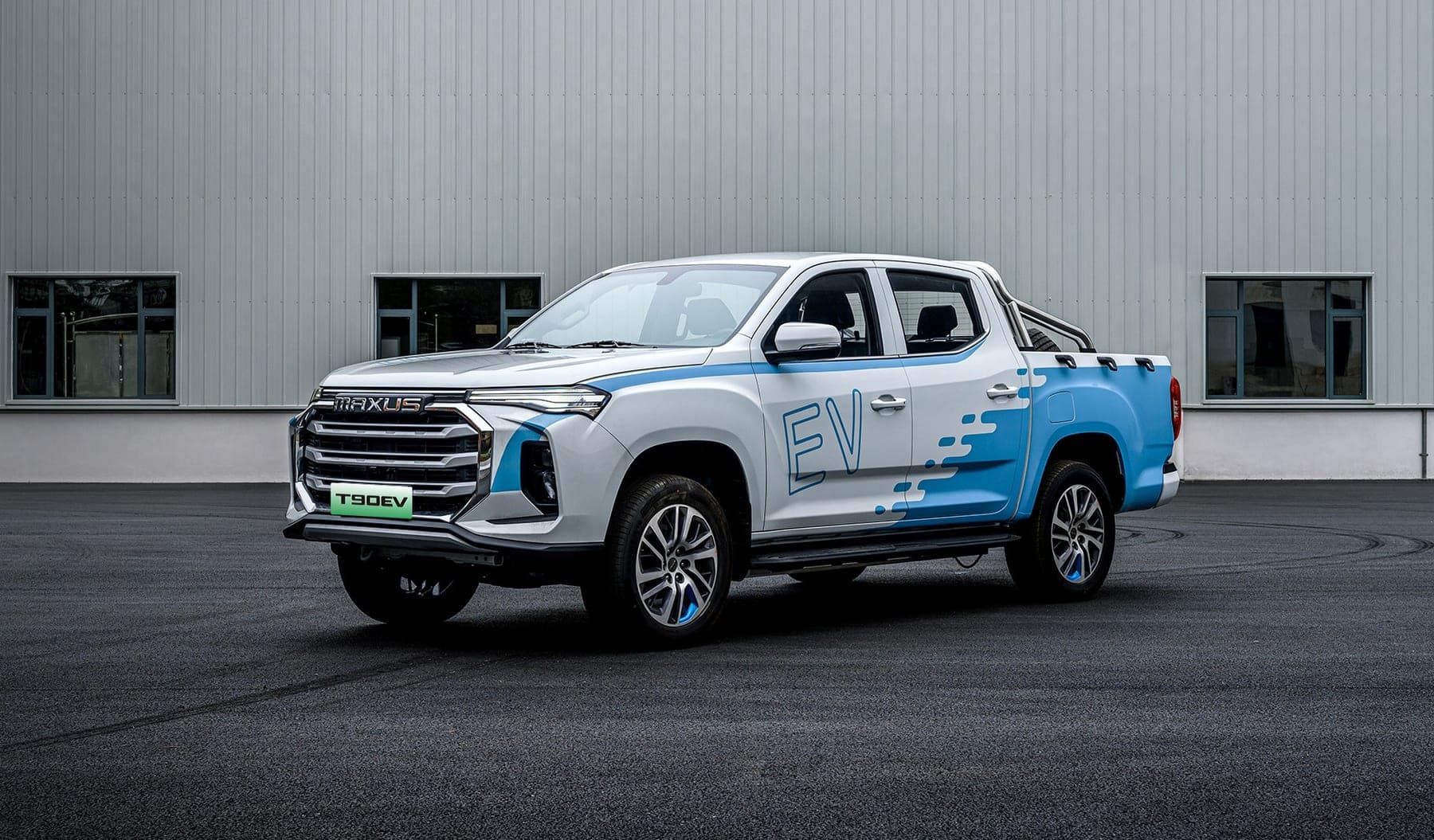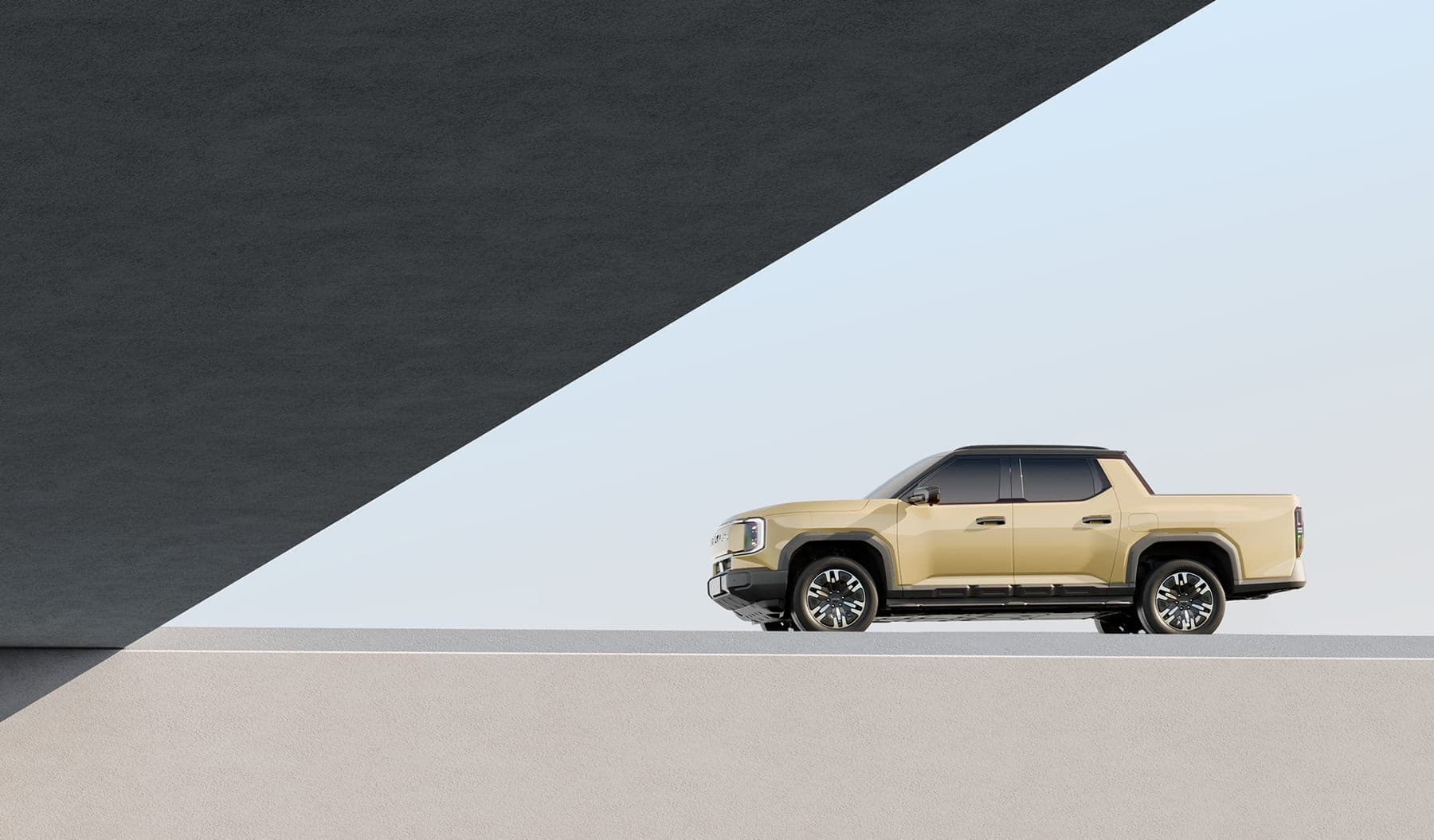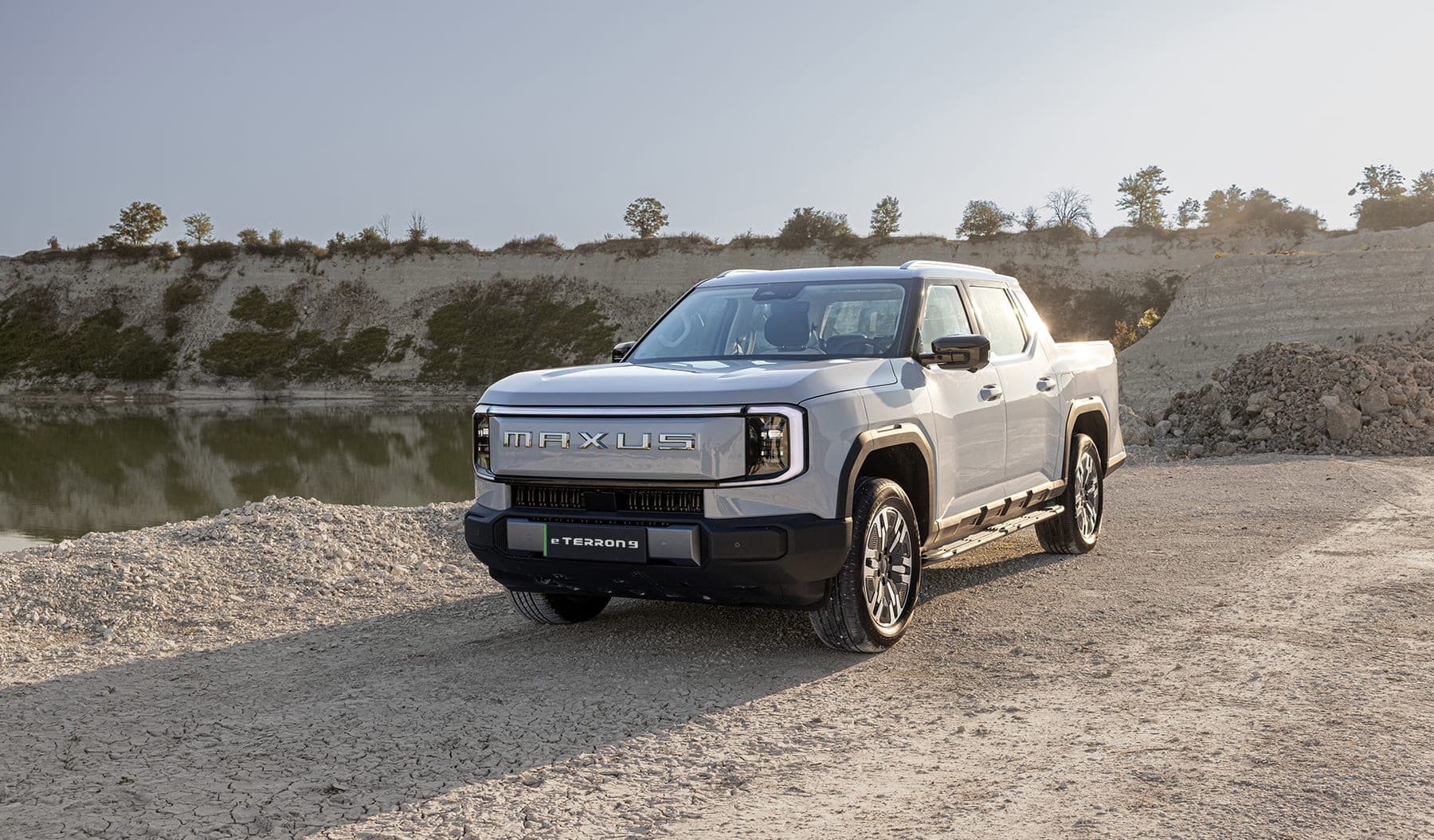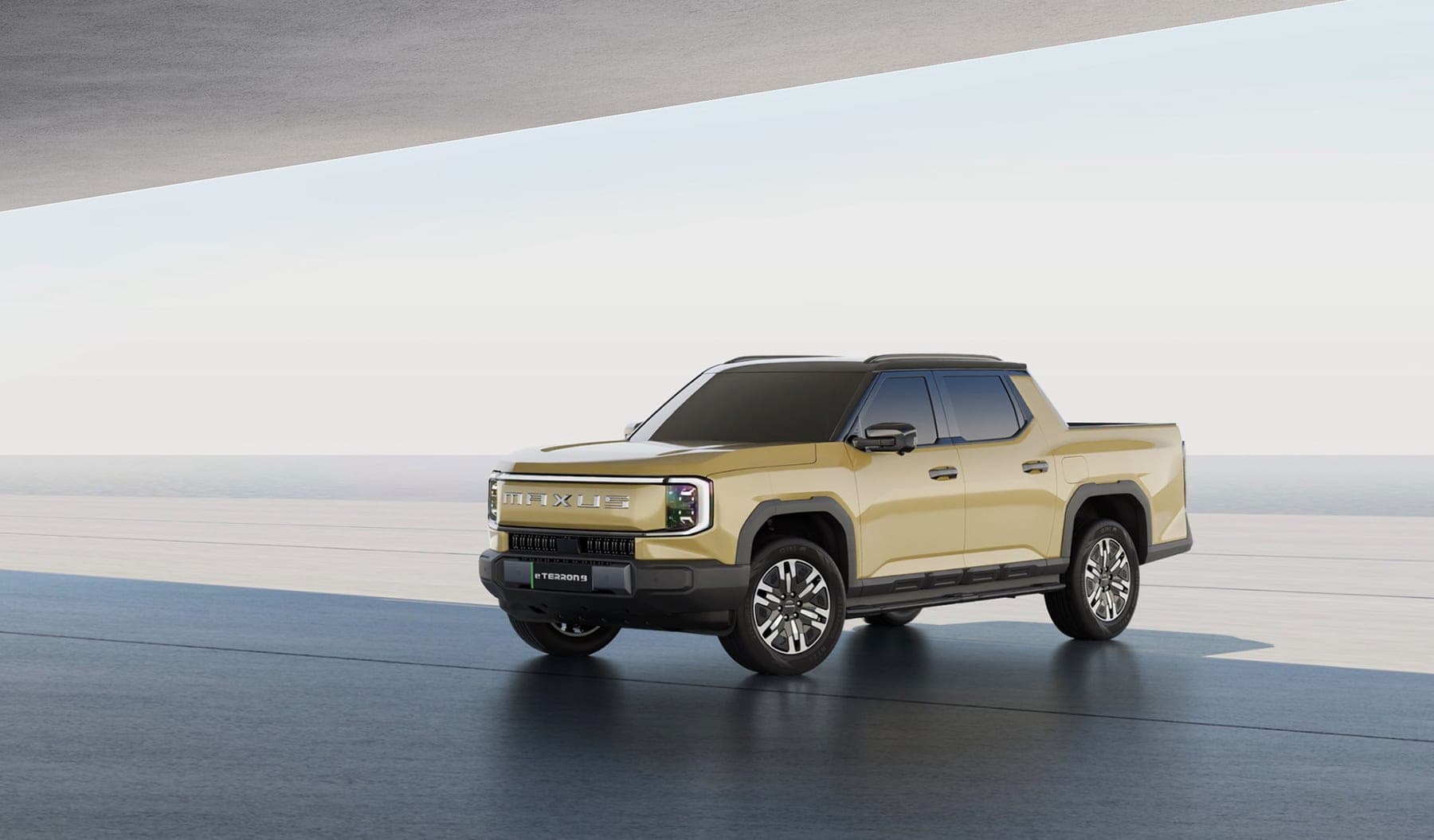
Specify the T90 EV if the vehicle carries mass on a fixed route and returns to a depot every night. Specify the eTerron 9 if it tows, climbs, or covers long rural distances. Those two sentences resolve most fleet enquiries, because the two platforms are not competing specifications of the same truck — they are different trucks aimed at different duty cycles.
The numbers side by side
| eTerron 9 | T90 EV | |
|---|---|---|
| Drive | 4WD, dual motor | RWD, single motor |
| Peak power | 325 kW (125 front / 200 rear) | 130 kW |
| Peak torque | 700 Nm (250 / 450) | 310 Nm |
| Battery | 102.2 kWh | 88 kWh |
| WLTP combined range | 430 km | 330 km |
| WLTP city range | — | 471 km |
| Payload | 620–650 kg | 1,000 kg |
| Braked towing | 3,500 kg | 1,000 kg |
| Gross train mass | 6,500 kg | 4,050 kg |
| DC fast charge | 20–80% in 42 min at 115 kW | 10–80% in 45 min at 70 kW |
| AC charge (3-phase, 11 kW) | 12 h, 5–100% | 9 h, 5–100% |
| Max speed | 190 km/h | 120 km/h |
| Overall length | 5,500 mm | 5,365 mm |
| Wheels | 20-inch alloy, 275/55 R20 | 17-inch alloy, 245/65 R17 |
Why does the cheaper truck carry more?
Because payload is a mass budget, and the eTerron 9 spends its budget on capability. A 3,500 kg GVM against a 2,880 kg kerb weight leaves 620 kg. The T90 EV's 3,300 kg GVM against a 2,300 kg kerb weight leaves a full 1,000 kg, and it gets there by omitting the front motor, the transfer hardware and, on the Luxury specification, the air suspension.
This is the trade most electric pickups lose to diesel. A traction battery is heavy, and if the chassis is not designed around that mass the payload collapses. The T90 EV's answer is a deliberately simple driveline; the eTerron 9's answer is to compete on towing and traction instead, where 700 Nm from standstill beats any diesel one-tonne in the class.
Which range figure should a fleet budget against?
The WLTP city figure, for urban and municipal duty — 471 km on the T90 EV — and the combined figure for mixed routes. Plan real-world consumption at 75–85% of the certified number in temperate conditions. Sustained heat above 40°C with cabin cooling running, sustained cold below −10°C with cabin heating running, and towing at or near the rated limit each cost materially more than that.
What about the landed cost difference?
The T90 EV lands materially cheaper than the eTerron 9, and on a twenty-unit fleet that spread buys a great deal of depot charging infrastructure. We quote both per order rather than publishing a list, but the ranking does not move: unless the duty cycle genuinely needs 4WD and 3.5-tonne towing, the T90 EV is the better fleet economics.
Where the eTerron 9 is the only answer
- Towing plant trailers, water bowsers or equipment above 1,000 kg braked.
- Mine roads, plantation tracks and unsealed rural routes where traction recovery matters.
- Altitude — an electric motor loses no power to thin air, and 700 Nm handles loaded gradients that stall a naturally aspirated diesel.
- Long intercity legs where 430 km against 330 km removes a mid-route charging stop.
- Executive and management transport where the air-suspended Premium cabin is part of the specification.
Where the T90 EV wins outright
- Any duty cycle where the load is mass rather than a trailer.
- Fixed municipal, utility and last-mile routes under 300 km a day.
- Markets with no SAIC MAXUS EV workshop — the simpler driveline is easier to keep running.
- Coastal and island service, where the double-sided galvanised body earns its keep.
- Tenders decided on price per compliant unit.