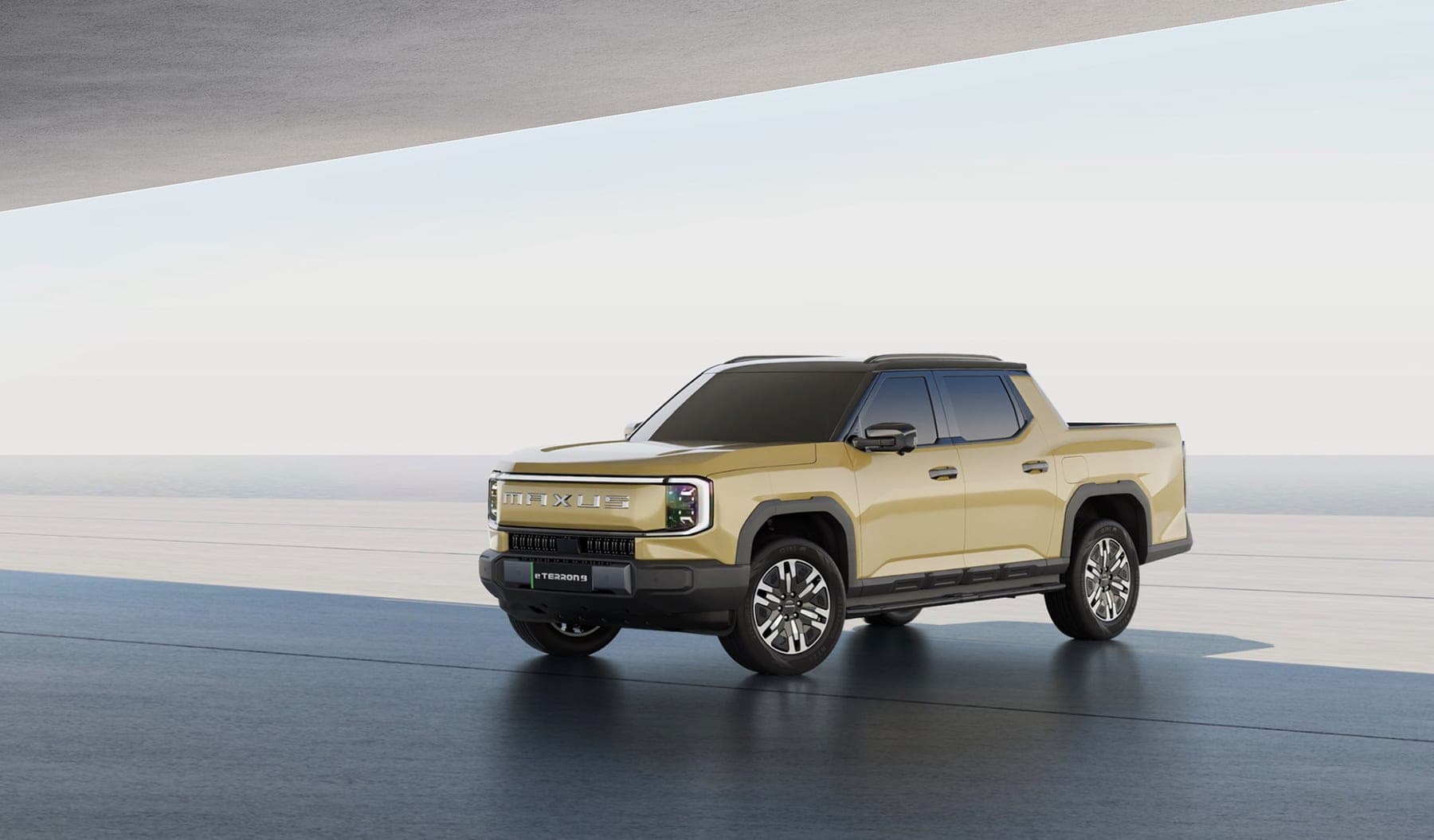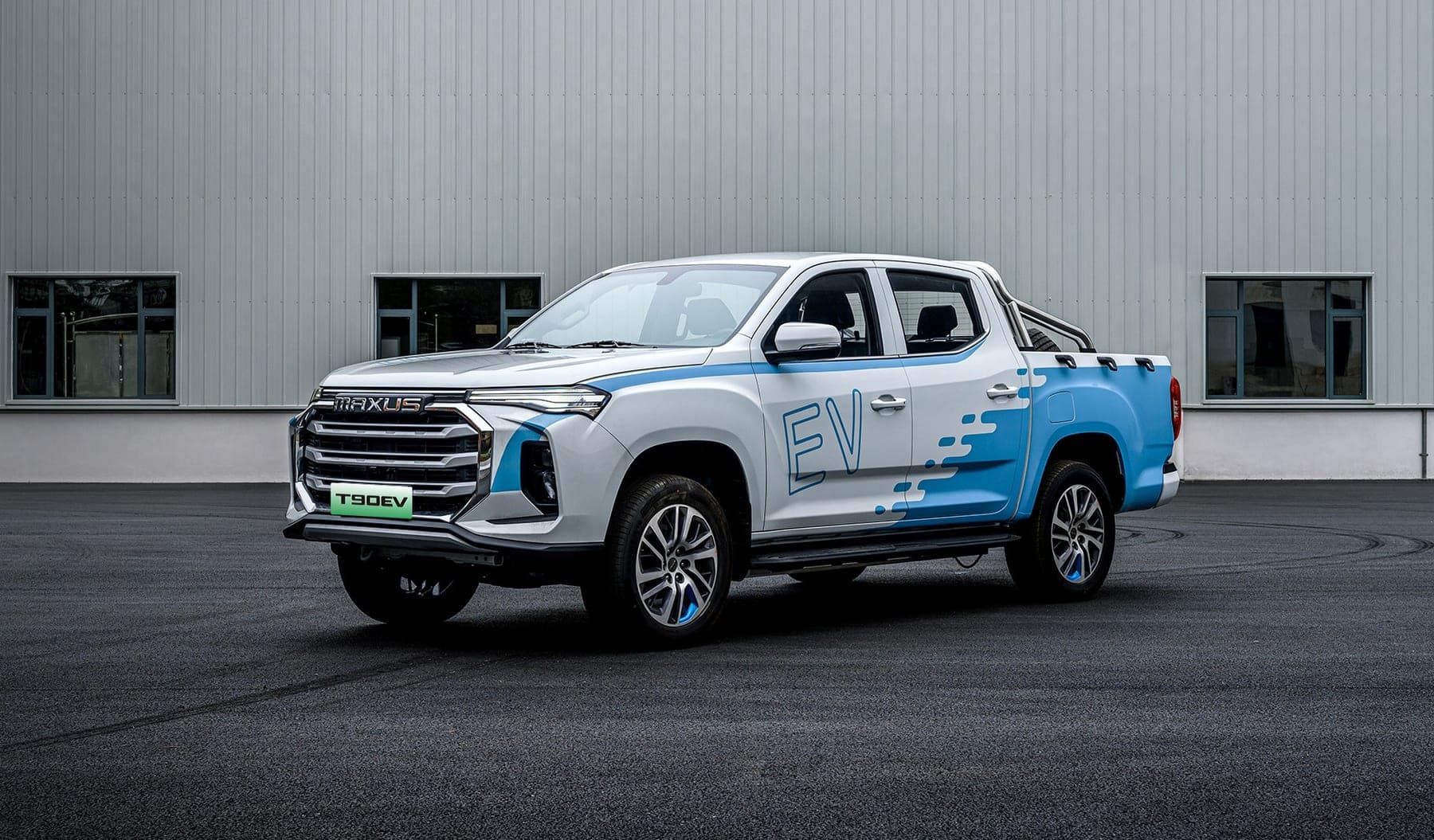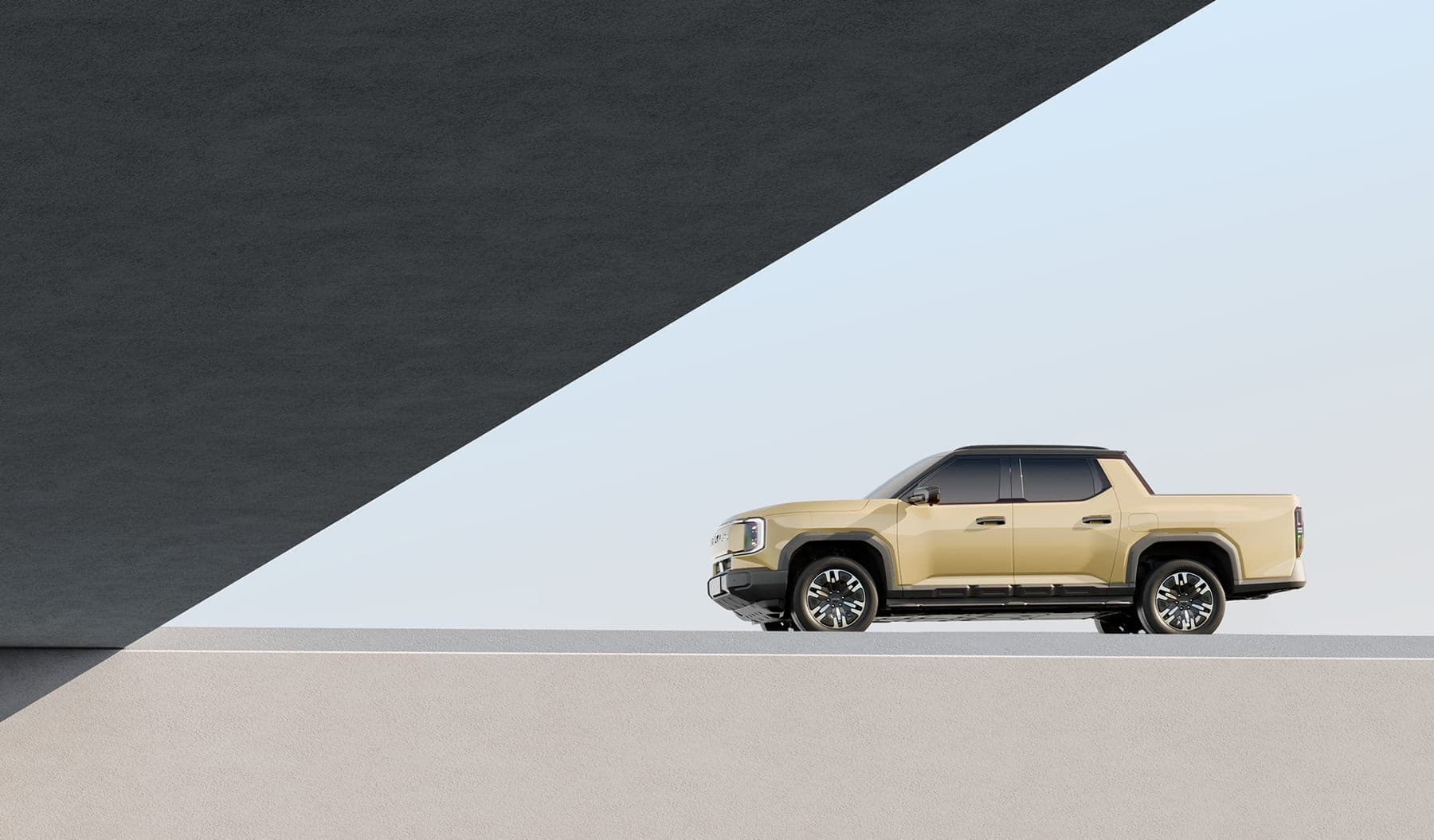
CLTC produces range figures roughly 20–35% higher than WLTP for the same vehicle. The eTerron 9 is a clean illustration: SAIC MAXUS publishes 560 km CLTC for the China-market car and 430 km WLTP combined on the export specification sheet. Neither number is wrong; they measure different things. Quote WLTP outside China.
Why do the two cycles disagree?
The China Light-Duty Vehicle Test Cycle runs at lower average and peak speeds than the Worldwide Harmonised Light Vehicle Test Procedure, and spends proportionally more time in conditions that favour an electric driveline. Air resistance rises with the square of speed, so a cycle weighted toward lower speeds flatters range substantially. WLTP also includes a higher-speed phase that CLTC's profile does not match.
| Model | CLTC (China market) | WLTP (export) |
|---|---|---|
| eTerron 9 4WD | 560 km | 430 km combined |
| T90 EV | 515 km | 330 km combined / 471 km city |
Note the T90 EV row. Its WLTP city figure of 471 km sits close to the CLTC number, which is exactly what you would expect — the city cycle and CLTC both weight low-speed operation heavily. That is also why the city figure is the right one to quote for municipal and last-mile fleets.
Which figure should appear in your market?
- Europe, UK, Australia, New Zealand, and most African and Middle Eastern markets referencing UNECE standards: WLTP.
- China domestic: CLTC.
- United States and markets referencing EPA: neither — EPA figures are lower again than WLTP and require separate testing.
- Anywhere with no mandated cycle: WLTP, stated as WLTP, with the cycle named.
Publishing a CLTC number to a European or African buyer without naming the cycle will eventually be read as misrepresentation, and in some jurisdictions as a consumer protection breach. Name the cycle every time. It costs three words and removes the entire risk.
How to get to a real duty-cycle number
Start from WLTP combined and apply 75–85% for temperate mixed-route operation. Then apply the conditions that actually govern your market:
- Sustained ambient above 40°C with cabin cooling: subtract a further 10–20%.
- Sustained ambient below −10°C with cabin heating: subtract 25–40%.
- Towing at or near the rated limit: expect 50–60% of the certified figure.
- Sustained motorway speeds above 100 km/h: subtract 15–25%.
- Significant sustained climbing: subtract 20–30%, though regeneration recovers much of it on the descent.
For a Nairobi or Jakarta municipal fleet running a fixed sub-200 km daily route, none of this is binding — a 330 km WLTP truck has ample margin. For an Almaty winter fleet or a Gulf summer fleet, it is the entire conversation, and getting it wrong in a tender response costs credibility that is hard to rebuild.