Ro-Ro costs less per unit and suits single vehicles and large mixed shipments; containerised 40HQ takes two vehicles, protects paint on long transits and reaches ports with no car-carrier rotation. We quote both on every proforma invoice because the right answer depends on the destination far more than on the vehicle.
How the cost actually compares
On a major trade lane with a regular car-carrier rotation, Ro-Ro is typically 15–30% cheaper per vehicle than containerised shipping, because a car carrier is purpose-built and the vehicle is driven on rather than lashed into a box. On a thin lane the comparison inverts: if the nearest Ro-Ro call is at a transhipment hub a thousand kilometres from your port, the onward feeder and inland movement wipes out the saving.
What containers protect against
- Salt spray. A Ro-Ro deck is ventilated to the sea air for the whole transit — on a 30-day Pacific or Indian Ocean crossing that shows on unprotected surfaces.
- Handling damage. Ro-Ro vehicles are driven by stevedores on and off the vessel, and at each transhipment.
- Theft of removable parts, which is a real risk at some transhipment ports.
- Weather exposure during port storage before and after the voyage.
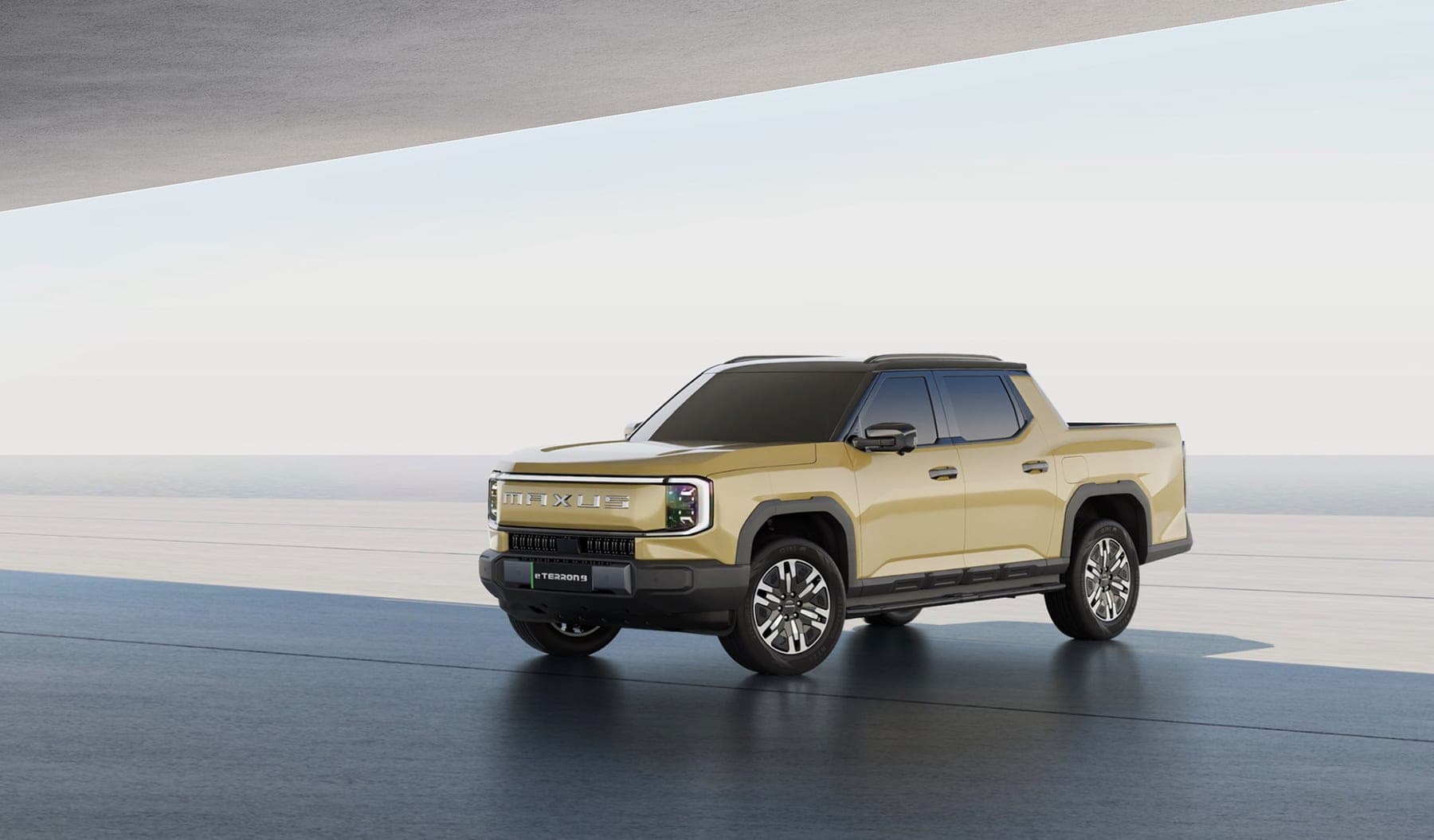
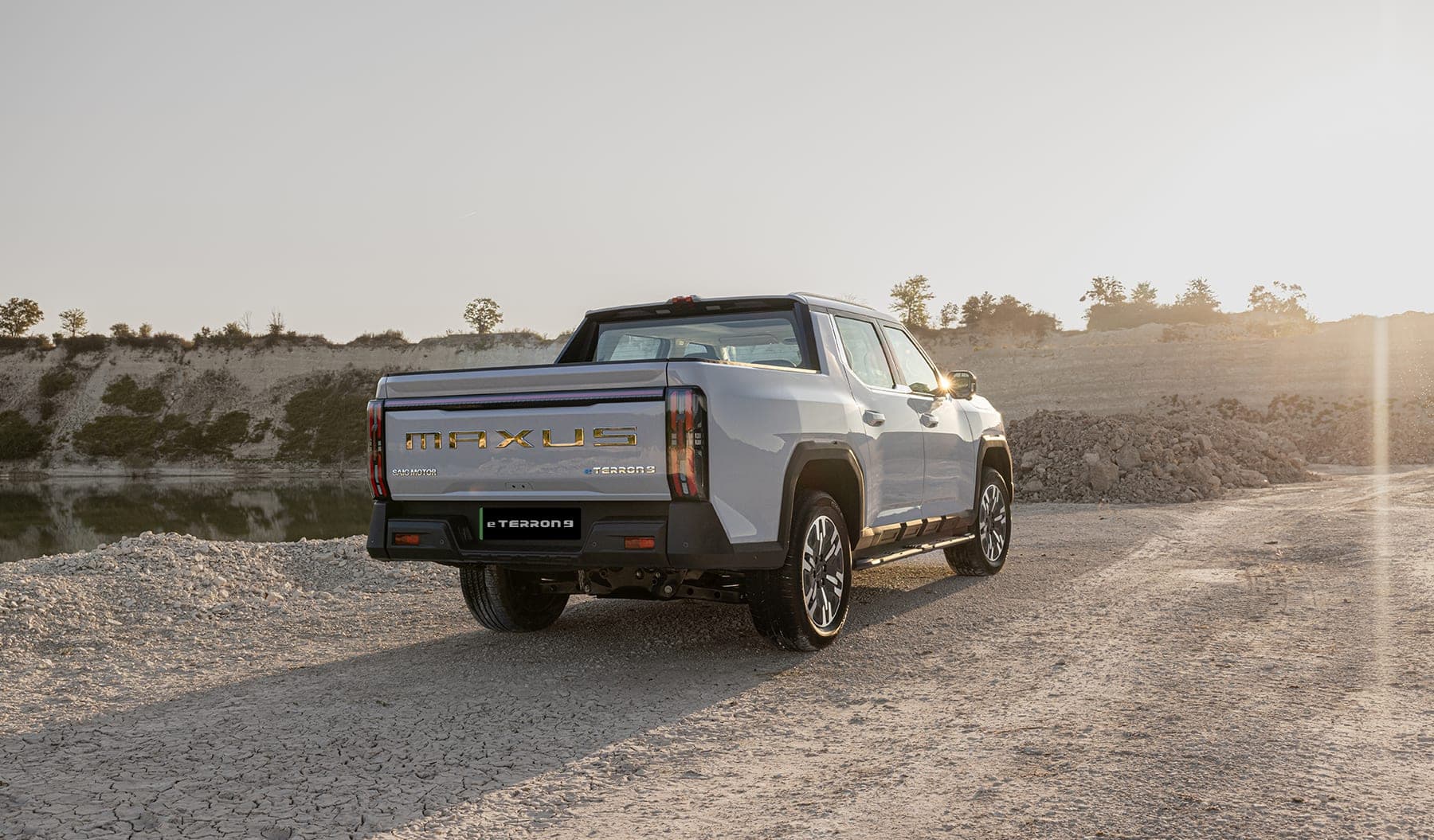
For high-value units — the eTerron 9 in particular — and for any coastal or island destination, we recommend containers and say so on the quotation.
What containers cost you in return
Devanning. A vehicle arriving in a container has to be unlashed and driven out, which needs a customs-approved facility, equipment and a procedure. Ports that handle container vehicle imports routinely do this cheaply; ports that do not will charge for it, delay it, or occasionally refuse to do it under bond. Confirm your destination handles vehicle devanning before you accept a container quotation.
| Destination or situation | Recommended |
|---|---|
| Mombasa, Durban, Jebel Ali, Callao — regular car-carrier calls | Ro-Ro |
| Caribbean and Pacific islands | Container |
| Single unit to a minor port | Container |
| 10+ mixed-specification units to a major port | Ro-Ro |
| High-value Premium specification, long transit | Container |
| China–Europe rail to Central Asia | Container only — Ro-Ro is not available |
| Destination without vehicle devanning capability | Ro-Ro |
How many vehicles fit in a container?
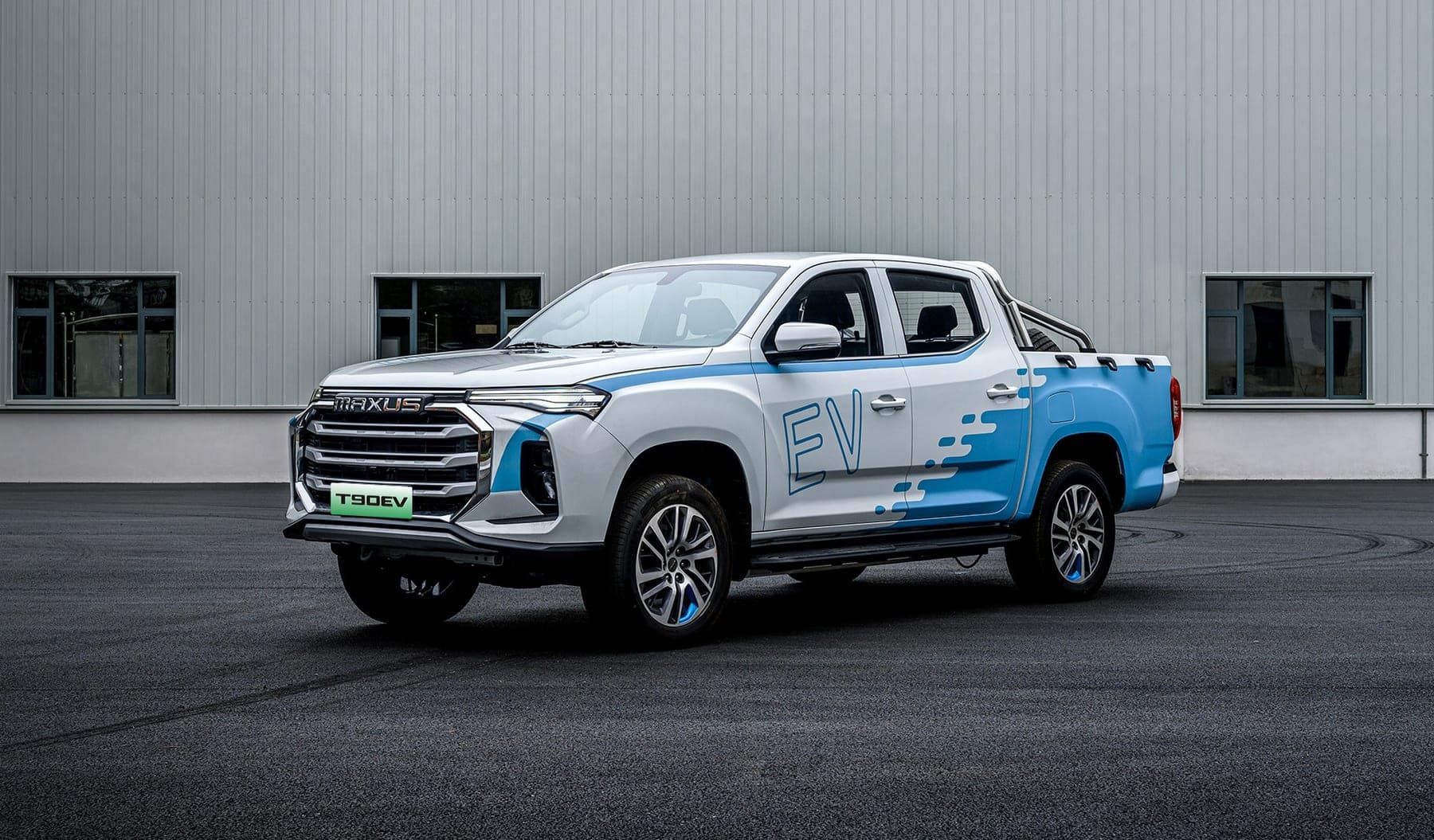
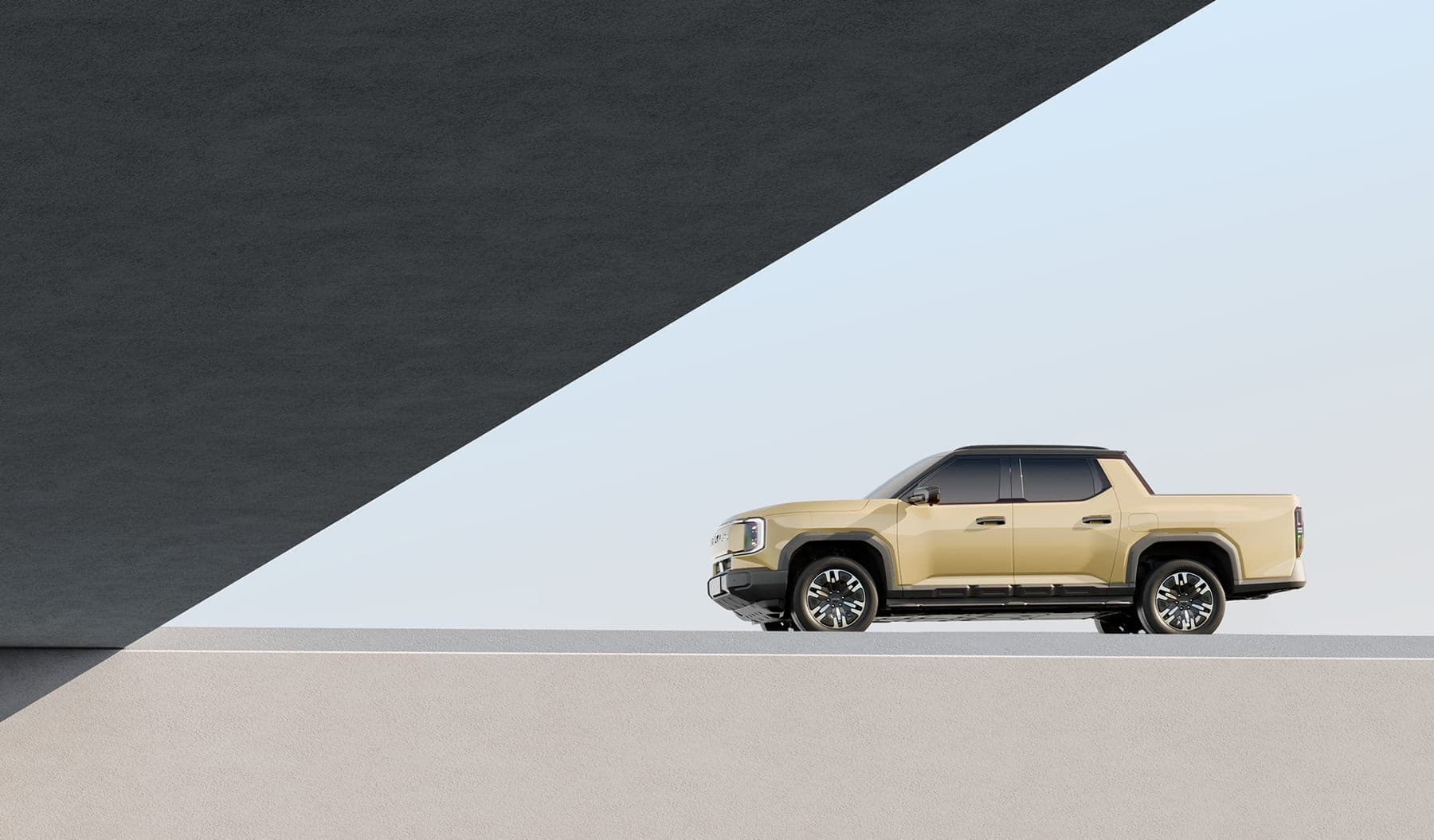
Two of these pickups fit a 40HQ, loaded nose-to-tail with the second unit on a rack or ramp depending on the loader. One fits a 20-foot container. A 5,500 mm eTerron 9 is near the practical limit for two-per-40HQ and the loading plan matters; the 5,365 mm T90 EV is more forgiving. We confirm the loading plan and the per-unit freight on the quotation rather than quoting a generic container rate.
One thing specific to electric vehicles
Lithium traction batteries are classed as dangerous goods for sea transport, and vehicles ship under the applicable IMDG provisions with a state-of-charge limit — typically around 30% — and documented packing. This is handled as part of export packing and adds no cost you need to negotiate, but it does mean a vehicle arrives with a part-charged battery and needs charging before it can be driven any distance from the port. Plan for that at the destination.